The e-commerce revolution in India is no longer a trend—it’s a full-fledged opportunity for entrepreneurs. With increasing internet penetration, smartphone adoption, and digital payments, starting an online business has become one of the most profitable and flexible ventures in India. The beauty of e-commerce is that it allows you to start small, test your ideas, and scale gradually, all while reaching customers across the country—or even globally.
Whether you are a first-time entrepreneur, a student, a homemaker, or someone looking to diversify income streams, this guide will help you understand top e-commerce business ideas, how to start them, and unique ways to stand out in a crowded online market.
Why E-Commerce is the Future in India
Before diving into ideas, let’s look at why e-commerce is a golden opportunity in India:
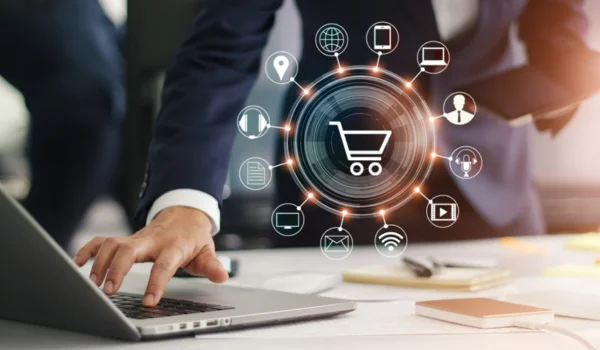
- Huge Customer Base: Over 900 million internet users and growing.
- Low Startup Cost: You don’t need a physical shop; a website or marketplace account is enough.
- Scalable: You can start with a few products and expand to thousands.
- Diverse Options: From physical products to digital services, the possibilities are vast.
- Flexibility: Manage operations from home or even remotely.
E-commerce offers passive income potential, a global reach, and creative freedom, making it ideal for modern entrepreneurs.
Step 1: Choose Your E-Commerce Business Model
E-commerce businesses in India can follow multiple models. Your choice affects capital, logistics, and marketing.
- B2C (Business-to-Consumer)
- Sell directly to consumers through your website, marketplaces like Amazon or Flipkart, or social media platforms.
- Suitable for physical products like clothing, beauty products, and electronics.
- B2B (Business-to-Business)
- Sell products or services to other businesses online.
- Examples: wholesale raw materials, office supplies, or digital solutions for small businesses.
- Subscription-Based Model
- Monthly or annual subscription for products or services.
- Examples: Meal kits, curated book boxes, beauty boxes, or wellness packages.
- Dropshipping
- You sell products online without keeping inventory; the supplier ships directly to the customer.
- Pros: Low investment, minimal risk.
- Cons: Limited control over quality and delivery speed.
- Digital Products & Services
- Sell ebooks, courses, templates, stock photos, software, or design services.
- Pros: Low or zero inventory cost, instant delivery, global reach.
- Cons: Needs marketing and trust-building to attract buyers.
Step 2: Select a Niche
The most important decision in e-commerce is choosing the right niche. A niche helps you target the right audience, reduce competition, and build expertise.
Popular E-Commerce Niches in India:
- Fashion & Apparel (ethnic wear, casual, sustainable clothing)
- Beauty & Personal Care (organic skincare, hair care, cosmetics)
- Health & Fitness (supplements, gym equipment, yoga kits)
- Home & Kitchen (decor, gadgets, utensils)
- Electronics & Accessories (headphones, smart gadgets, chargers)
- Kids & Baby Products (toys, clothing, educational kits)
- Pet Products (food, grooming, accessories)
Expert Tip: Avoid very broad categories at first. Focus on a niche with high demand but moderate competition.
Step 3: Set Up Your Online Presence
Once your niche is decided, it’s time to establish your e-commerce store.
Options:
- Sell on Marketplaces
- Amazon, Flipkart, Meesho, Nykaa.
- Pros: Easy setup, existing traffic.
- Cons: Platform fees, high competition.
- Create Your Own Website
- Use Shopify, WooCommerce, or Wix.
- Pros: Full control, branding, higher margins.
- Cons: Need marketing to drive traffic.
- Social Media Shops
- Instagram, Facebook, WhatsApp Business.
- Pros: Direct engagement, low setup cost.
- Cons: Limited scalability without paid ads.
Pro Tip: Beginners can start on marketplaces to test the product and later expand to a personal website.
Step 4: Manage Inventory & Logistics
Efficient inventory and delivery systems are crucial for customer satisfaction.
- Small Inventory Approach: Start with 20–50 products to test demand.
- Dropshipping Option: Ideal for low-investment entrepreneurs.
- Use Fulfillment Services: Flipkart Smart Fulfillment or Amazon FBA for handling storage and delivery.
- Local Couriers & Last-Mile Delivery: Partner with services like Delhivery, Shadowfax, or Ecom Express.
Fast delivery, tracking, and proper packaging are non-negotiable for online success.
Step 5: Pricing & Revenue Management
Pricing strategies are essential in e-commerce, especially in India where price sensitivity is high.
- Research competitor pricing on similar marketplaces.
- Include costs of product, shipping, packaging, platform fees, and marketing.
- Offer discounts strategically (festival offers, first-time buyer coupons).
- Introduce loyalty programs or bundle deals.
Pro Tip: Focus on value and quality rather than undercutting prices to survive.
Step 6: Marketing Your E-Commerce Business
Marketing is critical for driving traffic and conversions.
Effective Marketing Channels:
- Social Media Marketing: Instagram, Facebook, and YouTube for product promotions.
- Content Marketing: Blogs, tutorials, and videos to attract organic traffic.
- Email Marketing: Send newsletters, offers, and updates to subscribers.
- Influencer Collaborations: Partner with micro-influencers in your niche.
- Paid Ads: Facebook Ads, Instagram Ads, Google Shopping Ads for faster reach.
Pro Tip: Start with organic promotion, then scale with paid ads for maximum ROI.
Unique E-Commerce Business Ideas in India
To stand out, consider creative and niche e-commerce concepts:
- Eco-Friendly Products
- Sell biodegradable, recycled, or sustainable products like straws, bags, and cleaning kits.
- Regional Handicrafts
- Promote Indian artisans by selling handicrafts, home decor, or ethnic wear.
- Customized Products
- Personalized mugs, T-shirts, jewelry, or gifts.
- Subscription Boxes
- Curated monthly boxes for skincare, stationery, snacks, or books.
- Digital Products
- Sell online courses, ebooks, templates, stock photos, or design tools.
- Specialty Food & Beverages
- Organic teas, health snacks, baked goods, or pickles delivered nationwide.
Common Mistakes to Avoid
- Skipping market research and niche validation
- Ignoring customer reviews and feedback
- Poor packaging or late deliveries
- Overexpansion before establishing the brand
- Neglecting digital marketing and SEO
- Competing only on price without adding value
Success in e-commerce comes from consistent quality, strong branding, and excellent customer experience.
Final Thoughts: Why Start an E-Commerce Business in India
The Indian e-commerce sector is booming, with predicted revenues exceeding $200 billion by 2030. Starting an online business offers flexibility, low investment, and global reach. The key to success lies in:
- Choosing the right niche
- Starting small and scaling gradually
- Focusing on quality and customer service
- Leveraging online platforms and digital marketing
- Innovating with unique products or services
Whether you are selling handmade crafts, eco-friendly products, subscription boxes, or digital services, e-commerce allows you to reach millions of customers without geographical limits. With creativity, planning, and consistent effort, your online business can grow from a small startup into a full-fledged, profitable enterprise.