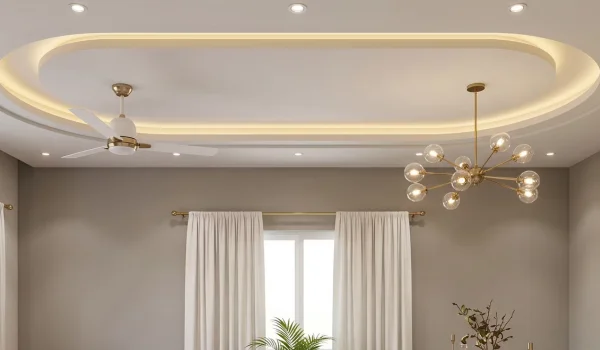
Small rooms can sometimes feel dark, cramped, and less inviting, especially in apartments and compact homes where sunlight is limited. Many Indian homes face this issue because of closely built buildings, smaller windows, narrow layouts, or heavy furniture blocking natural light. The good news is that you do not always need expensive renovations or extra electrical lighting to make a room feel brighter.
With the right design choices, color combinations, furniture placement, and natural light optimization techniques, even the smallest room can look open, fresh, and cheerful. In fact, simple changes often create a surprisingly big difference.
Whether you live in a flat in a crowded city, a compact builder floor, or a small independent house, this guide will help you understand how to brighten small rooms naturally without spending a huge amount of money.
Why Small Rooms Often Feel Dark
Before discussing the solutions, it is important to understand why small rooms appear dull or gloomy.
Common reasons include:
- Limited sunlight
- Dark wall colors
- Heavy curtains
- Bulky furniture
- Poor mirror placement
- Cluttered interiors
- Small windows
- Overdecorated walls
Sometimes, the room itself is not actually dark. The design choices simply prevent light from spreading properly.
Benefits of Naturally Bright Rooms
A naturally bright room offers more than just visual appeal.
Advantages Include:
- Better mood and positivity
- Reduced electricity usage
- Improved productivity
- Spacious appearance
- Better indoor atmosphere
- Enhanced home aesthetics
Bright rooms also feel cleaner, calmer, and more comfortable for everyday living.
Best Ways to Make Small Rooms Brighter Naturally
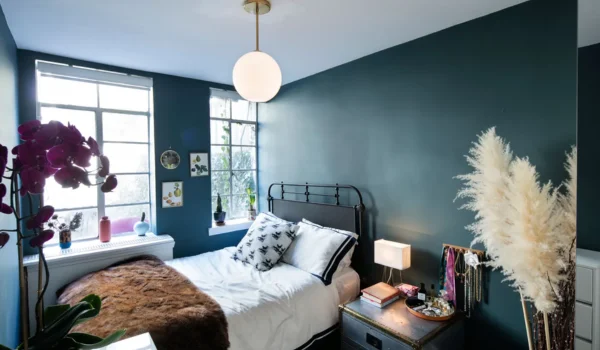
- Use Light Paint Colors
Why It Works
Light shades reflect natural light instead of absorbing it.
Dark colors make walls feel closer, while lighter shades create openness.
Best Wall Colors for Brightness
- White
- Off-white
- Cream
- Light beige
- Soft grey
- Pale yellow
- Pastel blue
In Indian homes, warm whites and soft neutral tones work especially well because they suit both modern and traditional interiors.
Budget Tip
Painting is one of the cheapest ways to completely transform a dark room.
- Keep the Ceiling White
Why It Matters
A white ceiling reflects light across the room and creates an airy feel.
Dark ceilings can make small spaces feel lower and more enclosed.
Extra Suggestion
Choose matte or soft satin finish paint for a cleaner and brighter appearance.
- Maximize Natural Light from Windows
Common Mistake
Many people block windows with:
- Heavy curtains
- Large furniture
- Decorative items
Better Solution
Keep the window area open and uncluttered.
Practical Tips
- Move bulky furniture away from windows
- Clean windows regularly
- Avoid thick dark curtains
- Use lighter window treatments
Even small windows can provide enough brightness if light is allowed to spread freely.
- Use Sheer or Light Curtains
Why Heavy Curtains Make Rooms Dark
Thick fabrics block sunlight and create visual heaviness.
Best Curtain Choices
Choose:
- Sheer curtains
- Cotton fabrics
- Linen curtains
- Light neutral shades
Ideal Colors
- White
- Beige
- Light grey
- Pastel tones
These allow sunlight to enter while maintaining privacy.
- Add Mirrors Strategically
Why Mirrors Work
Mirrors reflect natural light and visually double the brightness of a room.
Best Places for Mirrors
- Opposite windows
- Adjacent to light sources
- Along narrow walls
Tall mirrors are especially effective in compact rooms.
Budget-Friendly Idea
Simple frameless mirrors are affordable and modern-looking.
- Reduce Clutter
The Problem
Clutter absorbs visual space and makes rooms feel crowded and darker.
Common Clutter Sources
- Extra furniture
- Too many decor items
- Piles of clothes
- Unused storage boxes
Solution
Adopt a minimalist approach.
Keep only essential items visible and organize everything properly.
A clutter-free room automatically appears brighter.
- Choose Light-Colored Furniture
Why Furniture Color Matters
Dark furniture absorbs light and creates heaviness.
Better Furniture Shades
- White
- Light wood
- Beige
- Cream
- Soft grey
Additional Tip
Furniture with slim legs creates a more open appearance because more floor area remains visible.
- Use Reflective Surfaces
How Reflective Materials Help
Glossy and reflective surfaces bounce light around the room.
Affordable Reflective Elements
- Glass tables
- Glossy tiles
- Metallic decor
- Reflective laminates
Even small reflective accents can increase brightness significantly.
- Rearrange Furniture Properly
Common Layout Mistake
Placing large furniture near windows blocks natural light flow.
Smart Layout Strategy
Keep taller furniture against darker walls and away from windows.
Example
Instead of placing a wardrobe beside the window, move it to a corner where it does not interrupt sunlight.
- Use Indoor Plants Carefully
Plants can freshen up a room, but oversized plants may block light in compact spaces.
Best Small Indoor Plants
- Money plant
- Snake plant
- Aloe vera
- Peace lily
Place them near windows without obstructing sunlight.
- Choose the Right Flooring
Why Flooring Impacts Brightness
Dark flooring absorbs light and visually shrinks a room.
Better Flooring Choices
- Light tiles
- Glossy flooring
- Wooden laminate in lighter shades
Budget Alternative
If replacing flooring is expensive, use:
- Light rugs
- Neutral floor mats
- Use Minimal Wall Decor
The Problem
Too many wall frames or decorations create visual clutter.
Better Approach
Choose:
- One large artwork
- Simple wall shelves
- Minimal decor pieces
A cleaner wall reflects more light and feels more spacious.
- Install Glass or Reflective Furniture
Why It Helps
Glass furniture occupies less visual weight.
Examples
- Glass coffee tables
- Glass dining tables
- Acrylic chairs
These work particularly well in compact Indian apartments.
- Keep Doors Open During the Day
Natural light spreads better when doors remain open between rooms.
If possible:
- Keep interior doors open
- Use glass-paneled doors
- Use sliding doors
This improves airflow and brightness simultaneously.
- Use Open Shelving Instead of Closed Storage
Large closed cabinets can make small rooms feel boxed in.
Better Options
- Floating shelves
- Open wall storage
- Slim storage racks
However, avoid overcrowding shelves with too many items.
Smart Room-by-Room Brightening Ideas
Living Room
Common Problems
- Dark sofas
- Heavy curtains
- Large TV units
Solutions
- Use lighter upholstery
- Add mirrors
- Keep windows open
- Use minimal decor
Bedroom
Common Problems
- Bulky wardrobes
- Dark bedding
- Overdecorated walls
Solutions
- Choose light bedsheets
- Use sliding wardrobes
- Add reflective surfaces
- Use sheer curtains
Kitchen
Common Problems
- Closed cabinets
- Poor ventilation
- Dark countertops
Solutions
- Use glossy finishes
- Add under-cabinet lighting
- Choose lighter tiles
- Keep countertops clutter-free
Bathroom
Common Problems
- Dark tiles
- Poor lighting
- Small mirrors
Solutions
- Use large mirrors
- Install glass partitions
- Use light wall colors
Budget-Friendly Tips for Indian Homes
Not every improvement requires expensive renovation.
Here are affordable ways to brighten small rooms naturally:
| Budget Solution | Benefit |
| Repainting walls | Instantly improves brightness |
| Sheer curtains | Allows more sunlight |
| Mirrors | Reflects light |
| Decluttering | Creates openness |
| Rearranging furniture | Improves light flow |
| Light bedsheets | Brightens bedrooms |
| Floating shelves | Reduces visual heaviness |
Even low-cost changes can dramatically improve room appearance.
Common Mistakes That Make Small Rooms Darker
Using Dark Paint Everywhere
Dark walls absorb light and reduce openness.
Blocking Windows
Furniture or heavy curtains near windows reduce sunlight.
Overusing Wooden Elements
Too much dark wood can make rooms feel heavy.
Keeping Too Many Decorative Items
Overdecorating creates visual congestion.
Ignoring Cleaning
Dirty windows and dusty surfaces reduce light reflection.
Best Color Combinations for Bright Small Rooms
| Wall Color | Furniture Shade | Overall Effect |
| White | Light wood | Clean and spacious |
| Beige | Cream | Warm and cozy |
| Pale grey | White | Modern and elegant |
| Pastel blue | Light grey | Fresh and calming |
| Soft yellow | White | Bright and cheerful |
Natural Light vs Artificial Light
Natural light has several advantages over artificial lighting:
- Saves electricity
- Improves mental well-being
- Makes rooms look authentic
- Enhances wall colors naturally
The goal should be maximizing daylight first before depending heavily on electrical lights.
Rental-Friendly Brightening Ideas
If you live in a rented apartment, you may not be allowed to make permanent changes.
Easy Temporary Solutions
- Use removable wallpaper
- Add standing mirrors
- Use light curtains
- Rearrange furniture
- Use peel-and-stick decor
These ideas are affordable and landlord-friendly.
Psychological Benefits of Bright Spaces
Bright rooms often improve:
- Mood
- Relaxation
- Productivity
- Energy levels
Dark and cramped spaces may feel mentally tiring over time.
A naturally bright home creates a more positive environment for family members.
Final Thoughts
Making small rooms brighter naturally does not always require major renovations or expensive interior design. In most Indian homes, simple adjustments like using lighter colors, improving window access, adding mirrors, reducing clutter, and choosing the right furniture can completely transform the atmosphere of a room.
The key is to allow natural light to move freely while avoiding anything that visually blocks or absorbs brightness. A brighter room not only looks bigger but also feels more comfortable, peaceful, and welcoming.
Whether you own a compact apartment or live in a rented home, these practical and budget-friendly ideas can help you create a brighter, fresher, and more enjoyable living space without putting extra pressure on your budget.