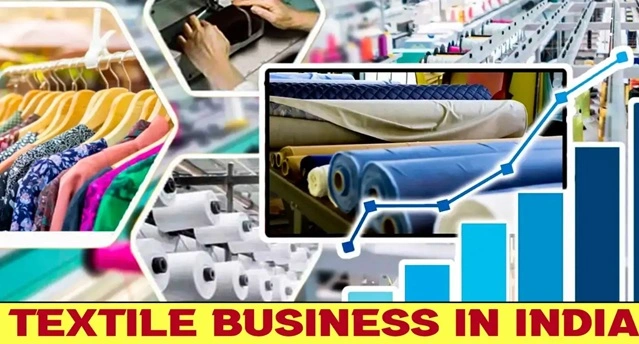
India’s textile industry is one of the oldest and most vibrant sectors of the economy — an industry that beautifully blends tradition with innovation. From handlooms and khadi to modern apparel and technical textiles, this sector is not just about fabric; it’s about creativity, craftsmanship, and commerce.
If you’ve ever dreamt of starting a business that combines artistry with steady profit, the textile industry in India offers countless opportunities. Whether you’re a first-time entrepreneur or someone looking to expand your business portfolio, there’s a space for everyone — from small-scale startups to export-driven ventures.
Let’s explore some promising and profitable textile business ideas in India, along with tips to help you get started.
🧵 1. Garment Manufacturing Unit
Starting a garment manufacturing business is one of the most common yet profitable ideas in the textile sector. India has a massive domestic demand as well as export potential for clothing. You can specialize in men’s, women’s, or kids’ wear — or focus on niche categories like sportswear or ethnic fashion.
Why it’s a great idea:
- High demand both locally and internationally.
- You can start small with a few machines and skilled tailors.
- Great scalability potential with e-commerce and exports.
Pro Tip: Start by producing garments for local boutiques or small fashion brands to build your reputation before scaling.
👗 2. Boutique or Fashion Label
If you have a creative flair and an eye for fashion, launching your own boutique or fashion label can be deeply rewarding. You can design customized clothing or promote local handlooms and sustainable fabrics.
With the rise of online shopping and social media marketing, you don’t even need a large physical store — you can sell directly through Instagram or online marketplaces.
Investment: ₹2–₹10 lakhs
Target Market: Urban youth, professionals, and eco-conscious consumers.
🧶 3. Textile Printing and Dyeing Unit
India’s love for colors and prints never goes out of style. Setting up a printing or dyeing unit can be a lucrative idea, especially if you focus on modern techniques like digital printing, screen printing, or eco-friendly dyeing.
You can serve garment manufacturers, boutiques, or even artists who need custom fabric prints.
Why it works:
- Growing demand for customized and eco-friendly prints.
- Opportunity to supply to designers and small brands.
- Can start with moderate investment.
🪡 4. Embroidery and Handicraft Work Unit
Embroidery and handicraft-based textile products have a unique charm that appeals both in India and abroad. You can start a small embroidery unit offering traditional work like zari, chikankari, or mirror work, or even modern machine embroidery.
You can collaborate with garment manufacturers or create your own handcrafted apparel brand.
Personal Tip: Partner with local artisans or women’s self-help groups — it not only empowers them but also gives your business an authentic identity.
🧥 5. Home Furnishing Products Business
From curtains and bedsheets to cushion covers and rugs — the home furnishing segment in India is booming. With growing urbanization and changing lifestyle preferences, customers are constantly looking for stylish home textiles.
You can either manufacture home décor textiles or resell curated collections from local suppliers. Selling through online platforms like Amazon, Flipkart, or your own e-store can help you reach a wide audience.
Investment: ₹3–₹8 lakhs
Profit Margin: 20–40% depending on scale and quality.
🧵 6. Textile Waste Recycling or Upcycling Business
Sustainability is the future — and the textile industry is no exception. With growing awareness about fast fashion’s impact, recycling and upcycling textile waste has emerged as a powerful business idea.
You can collect discarded fabrics and transform them into usable materials, accessories, or eco-friendly bags.
Why it’s the future:
- Rising demand for sustainable products.
- Support from government and NGOs for eco-friendly businesses.
- Great export potential.
🧣 7. Textile Trading or Wholesale Business
If you don’t want to get into manufacturing, you can start a textile trading or wholesale business. This involves buying fabrics, garments, or raw materials in bulk and supplying them to local garment factories, retailers, or designers.
It’s an excellent idea for entrepreneurs with good networking and negotiation skills.
Pro Tip: Focus on a specific fabric type — like cotton, silk, denim, or synthetic — and build a niche supplier reputation.
🧵 8. Custom Uniform Manufacturing
Uniforms are in constant demand across schools, hospitals, hotels, and corporate offices. Starting a custom uniform manufacturing business ensures stable, long-term contracts with repeat orders.
You can target schools and small businesses in your city first, then expand regionally.
Investment: ₹4–₹10 lakhs
Bonus: Uniforms need regular replacement — ensuring steady business all year round.
🧥 9. Textile Machinery Repair and Maintenance Service
Every textile mill and garment factory needs reliable machinery maintenance. If you have a technical background, you can start a textile machinery repair and maintenance service.
The investment is minimal compared to manufacturing, but the profit potential is solid, especially in industrial areas like Surat, Tiruppur, or Ludhiana.
🌍 10. Export Business in Textiles
India’s textile products are highly valued abroad for their quality and design. Starting a textile export business can be highly profitable if you understand international trade and sourcing.
You can export:
- Handloom products
- Ethnic wear
- Cotton and silk fabrics
- Embroidered garments
Begin small through online B2B platforms like Alibaba or IndiaMART, and expand once you understand market trends.
💡 Final Thoughts
The textile industry is more than just fabric and fashion — it’s a canvas for creativity and innovation. Whether you want to start a boutique, open a manufacturing unit, or focus on eco-friendly textiles, there’s a business idea in this industry that can fit your budget and vision.
Start small, focus on quality, and build relationships with suppliers and buyers. Remember, success in the textile world isn’t woven overnight — it’s stitched together with consistency, creativity, and commitment.