Food is not just a necessity; it’s a passion, a culture, and for entrepreneurs, a lucrative business opportunity. In India, the food industry is booming thanks to urbanization, changing lifestyles, increased disposable income, and the growth of online food delivery platforms. Whether you are a home cook, a professional chef, or just someone with a love for food, there are countless opportunities to turn your culinary skills into a profitable business.
The best part? You don’t always need a large investment or a commercial kitchen. Many food businesses can start from home, with small capital, and scale gradually. In this article, I’ll guide you through practical food business ideas in India, step-by-step strategies, and some unique ideas that can make you stand out.
Why Food Business is a Smart Choice in India
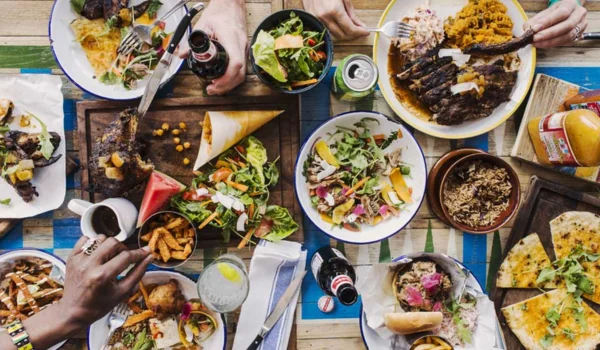
The food business in India is one of the most evergreen sectors. Here’s why:
- High Demand: From street food to fine dining, people eat every day.
- Diverse Market: Students, office workers, families, health-conscious individuals, and tourists all need food.
- Low Barrier to Entry: Many food businesses can start with minimal investment.
- Scalability: Start small, and expand through delivery, catering, or a restaurant.
- Passion-Driven: If you love cooking, the business becomes enjoyable and sustainable.
Step 1: Identify Your Niche
The first step in starting a food business is to identify your niche. Your niche will determine your target audience, marketing strategy, and startup cost.
Popular Food Business Niches in India:
- Street Food & Snacks: Momos, vada pav, chaat, samosas, pav bhaji.
- Healthy & Diet Foods: Keto meals, vegan snacks, protein shakes, salads.
- Beverages & Drinks: Tea, coffee, fresh juices, smoothies, shakes.
- Home-Cooked Meals / Tiffin Services: Affordable, hygienic meals for students and working professionals.
- Bakery & Confectionery: Cakes, cookies, pastries, cupcakes.
- Ethnic & Regional Foods: South Indian delicacies, Rajasthani thalis, Bengali sweets.
- Desserts & Ice Creams: Traditional sweets, fusion desserts, gelato, rolled ice cream.
- Food for Events: Catering for birthdays, weddings, and corporate events.
Expert Tip: Focus on a niche that matches your skills, passion, and the local demand. Specializing helps you stand out in a competitive market.
Step 2: Decide Your Business Model
Your business model determines how you operate, your investment, and your revenue streams.
- Home-Based Food Business
- Ideal for small startups with low investment.
- Can start with tiffin services, baked goods, or snacks.
- Use social media and local delivery for customers.
- Cloud Kitchen / Delivery-Only Restaurant
- Operates without a dine-in facility.
- Focus on online orders via Swiggy, Zomato, or Dunzo.
- Reduces overhead costs like rent and staff.
- Street Food Stall or Food Cart
- Great for high-traffic areas like schools, colleges, offices, or markets.
- Low startup cost but requires hygiene compliance.
- Full-Fledged Restaurant or Café
- Requires higher investment.
- Offers dine-in and takeaway options.
- Suitable if you have experience and want a strong brand presence.
- Catering & Event Food Services
- Serve weddings, parties, and corporate events.
- Focus on customized menus and bulk orders.
Step 3: Legal Requirements & Licenses
Food is regulated in India, and you need proper licenses to operate legally.
Essential Licenses:
- FSSAI License: Mandatory for all food businesses to ensure safety and hygiene.
- GST Registration: Required if your turnover exceeds the threshold.
- Local Municipal License: For street stalls, restaurants, or food carts.
- Fire & Safety License: Especially for restaurants and commercial kitchens.
- Trademark (Optional): To protect your brand name.
Compliance not only keeps you legal but also builds trust among customers.
Step 4: Budget & Investment Planning
Your initial investment depends on the type of food business:
- Home-Based Tiffin or Bakery: ₹5,000–₹50,000
- Street Food Stall / Cart: ₹20,000–₹1,00,000
- Cloud Kitchen: ₹1,00,000–₹5,00,000
- Restaurant / Café: ₹5,00,000–₹20,00,000+
Budget allocation should include ingredients, equipment, licenses, packaging, marketing, and staff salaries (if any).
Step 5: Marketing & Customer Acquisition
Even small food businesses need visibility and repeat customers.
Effective Marketing Strategies:
- Social Media Marketing: Instagram, Facebook, and WhatsApp for promotions.
- Food Delivery Apps: Partner with Swiggy, Zomato, or Dunzo.
- Word-of-Mouth Referrals: Encourage customers to share reviews.
- Local Collaborations: Tie-up with offices, gyms, and schools.
- Festive Promotions: Offer discounts and special menus during festivals.
Pro Tip: High-quality photos, consistent branding, and prompt service are essential to attract customers online.
Step 6: Unique Food Business Ideas in India
To stand out in a competitive food market, consider innovative and niche concepts:
- Fusion Foods
- Combine Indian and international cuisines, e.g., Tandoori Pizza, Paneer Sushi, or Masala Pasta.
- Healthy Meal Kits
- Provide pre-portioned ingredients for easy home cooking of popular dishes.
- Ethnic & Regional Specialties
- Focus on regional Indian foods like Goan curries, Rajasthani thalis, or Bengali sweets.
- Organic & Farm-to-Table Products
- Sell fresh organic vegetables, fruits, dairy, or ready-to-cook meals.
- Dessert Cafés & Specialty Sweets
- Offer unique desserts like rolled ice cream, fusion pastries, or artisanal chocolates.
- Pet-Friendly Food
- Specialized treats for dogs, cats, or exotic pets.
- Meal Subscription Services
- Weekly or monthly meal plans for students, working professionals, or fitness enthusiasts.
Step 7: Common Mistakes to Avoid
- Ignoring hygiene and food safety standards.
- Overestimating demand and overproducing.
- Poor packaging, especially for online delivery.
- Focusing only on price, not taste or quality.
- Neglecting digital presence in today’s online-driven market.
- Not collecting and acting on customer feedback.
The key to success is consistency, quality, and innovation.
Final Thoughts: Is Food Business Profitable in India?
Absolutely! Food is a daily necessity and a passion-driven market. With the rise of online ordering, social media influence, and urban lifestyles, the demand for both traditional and modern foods is growing rapidly.
The key to success lies in:
- Selecting the right niche based on demand and your expertise
- Maintaining hygiene, taste, and quality consistently
- Adopting modern delivery and marketing strategies
- Offering unique products or services to differentiate your brand
Whether you start a small home-based tiffin service or a cloud kitchen, your food business in India has enormous potential for growth and profitability. With creativity, passion, and proper planning, your culinary venture can become a sustainable, scalable, and rewarding business.