(Affordable, Sustainable, and Beautiful Ways to Upgrade Your Home)
When people think of home improvement today, the first images that often come to mind are imported tiles, foreign furniture brands, and glossy, magazine-style interiors. But having worked on homes across India—from village houses to urban apartments—I’ve learned something important: some of the best home improvement solutions are already around us.
India has an incredible variety of local, natural, and regionally available materials that are affordable, durable, climate-friendly, and deeply connected to our way of living. Using local materials not only reduces costs but also makes homes more comfortable, sustainable, and timeless.
In this article, I’ll share practical home improvement ideas using locally available materials in India, blending traditional wisdom with modern living—without sounding outdated or expensive.
Why Choose Local Materials for Home Improvement?
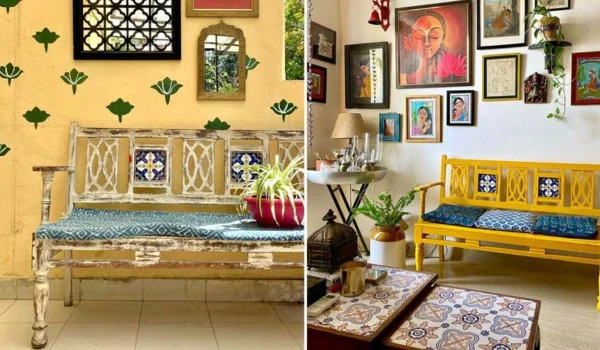
Before diving into ideas, it’s worth understanding why local materials make so much sense in the Indian context.
Key advantages:
- Cost-effective compared to imported options
- Easily available in local markets
- Climate-appropriate for Indian weather
- Lower maintenance
- Supports local artisans and businesses
Local materials have been used in Indian homes for centuries—and for good reason.
- Natural Stone for Flooring and Accents
India is rich in natural stone varieties like Kota stone, Kadappa stone, Jaisalmer stone, and slate.
How to use them:
- Kota stone flooring for verandas and living areas
- Kadappa stone for kitchens and pooja rooms
- Stone slabs as kitchen countertops
- Stone cladding for accent walls
These stones stay cool in summer and age beautifully over time.
- Brick: Simple, Strong, and Stylish
Bricks are one of the most underappreciated materials in modern Indian homes.
Home improvement ideas with bricks:
- Exposed brick walls in living rooms
- Brick jaali partitions for ventilation
- Low-height brick seating with cushions
- Brick planters for balconies
Bricks add warmth and character without heavy expense.
- Bamboo: Light, Flexible, and Sustainable
Bamboo is widely available in many parts of India and is one of the most eco-friendly materials.
Uses in home improvement:
- Bamboo blinds and curtains
- Lightweight furniture
- Balcony screens for privacy
- Decorative ceiling elements
Bamboo works particularly well in warm and humid regions.
- Wood from Local Sources
Instead of expensive imported wood, India offers durable local options like teak, sheesham, mango wood, and neem wood.
Smart ways to use local wood:
- Shelves and storage units
- Window and door frames
- Wooden benches and stools
- Bed headboards
Locally sourced wood blends naturally with Indian interiors and lasts for years.
- Terracotta Tiles and Pots
Terracotta has been used in Indian homes for centuries.
Terracotta home improvement ideas:
- Terracotta flooring in courtyards
- Wall cladding using terracotta tiles
- Terracotta pots for indoor plants
- Decorative terracotta panels
Terracotta is breathable and keeps homes cooler.
- Lime Plaster (Chuna) Walls
Traditional lime plaster is making a comeback in modern homes.
Benefits:
- Breathable and eco-friendly
- Naturally resists mould
- Soft, earthy finish
Lime plaster walls look elegant and improve indoor air quality.
- Cane and Rattan Furniture
Cane and rattan are widely available and budget-friendly.
Where they work best:
- Living room chairs
- Balcony furniture
- Bedside tables
- Light partitions
They add texture and warmth without making spaces heavy.
- Jute and Cotton for Soft Furnishings
Textiles play a huge role in Indian homes.
Local textile ideas:
- Jute rugs and runners
- Cotton curtains
- Handloom cushion covers
- Dhurries for flooring
These materials are breathable, washable, and affordable.
- Clay and Earthenware for Kitchens
Clay cookware and storage containers are making a healthy comeback.
Uses:
- Water storage pots
- Pickle jars
- Decorative storage containers
They regulate temperature naturally and add rustic charm.
- Local Paints and Natural Finishes
Many Indian brands offer eco-friendly paints and finishes using natural ingredients.
Advantages:
- Low VOC
- Better indoor air quality
- Subtle, earthy colours
These paints complement local materials beautifully.
- Stone and Wood for Pooja Corners
Pooja spaces benefit greatly from natural materials.
Ideas:
- Stone platforms
- Wooden mandirs
- Brass accessories
They create a calm, spiritual atmosphere.
- Regional Craft Elements as Décor
India’s regional crafts can be used functionally.
Examples:
- Warli or Madhubani wall art
- Metal lamps from Moradabad
- Wooden carvings from Rajasthan
These add personality and cultural depth to your home.
- Local Cement and Concrete for Modern Looks
Polished concrete floors and surfaces are gaining popularity.
Where to use:
- Kitchen counters
- Bathroom sinks
- Living room floors
Concrete offers a modern, minimal look at a reasonable cost.
- Reclaimed Materials for Unique Touches
Reclaimed wood, old doors, and window frames can be reused creatively.
Ideas:
- Coffee tables from old doors
- Shelves from reclaimed planks
- Mirror frames from old windows
This adds character and sustainability.
- Working with Local Artisans
One of the biggest advantages of using local materials is access to skilled craftsmen.
Benefits:
- Custom designs
- Lower costs
- Better craftsmanship
Local carpenters, masons, and potters bring traditional knowledge that factory-made products can’t replicate.
Final Thoughts: Build Local, Live Better
Using local materials for home improvement isn’t just about saving money—it’s about creating homes that breathe, age gracefully, and reflect who we are.
As someone who has seen imported trends come and go, I can say this with confidence: homes built with local materials feel more grounded, comfortable, and timeless.
They connect us to our roots while meeting modern needs.