India has always had a deep connection with diamonds. From ancient royal jewellery to today’s global diamond exports, the country plays a powerful role in the diamond industry. In fact, over 90% of the world’s diamonds are cut and polished in India, mainly in Surat. This makes India not just a consumer market, but a global diamond hub.
If you’ve ever wondered “Can I start a diamond business?” the answer is yes—but only with the right knowledge, planning, and mindset. The diamond business is glamorous on the outside, but disciplined and strategic on the inside.
In this article, I’ll walk you through how to start a diamond business in India step-by-step, explain the types of diamond businesses you can choose from, highlight legal and financial requirements, and also share unique business ideas that most people don’t think about.
Understanding the Diamond Business Landscape in India
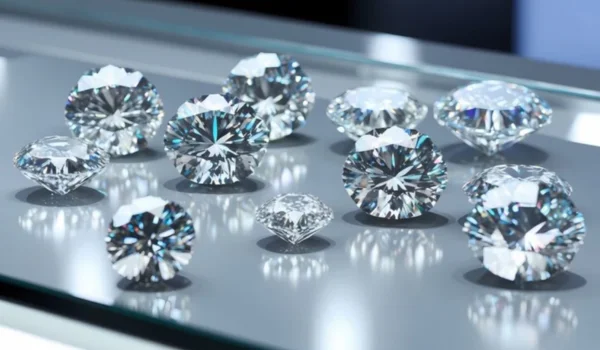
Before entering this industry, it’s important to know that the diamond business is not just one business—it’s an ecosystem.
Broadly, the diamond industry includes:
- Diamond Trading (Rough or Polished)
- Diamond Cutting & Polishing
- Diamond Jewellery Manufacturing
- Wholesale Diamond Supply
- Retail Diamond Jewellery
- Online & Export-Focused Diamond Businesses
Each segment requires different levels of investment, expertise, and risk tolerance. You don’t need to start big—many successful diamond entrepreneurs in India began with a small trading setup and grew gradually.
Step 1: Choose the Right Diamond Business Model
This is the most important decision you’ll make.
- Diamond Trading Business
This involves buying and selling polished diamonds (or rough diamonds if you have expertise). You can trade locally or internationally.
Best for: People with good negotiation skills and market knowledge
Investment: Medium to high
Risk: High (price fluctuations)
- Diamond Cutting and Polishing
India dominates this segment globally. Surat is the heart of this business.
Best for: Those who can access skilled labour
Investment: High (machines, labour, training)
Profit Margin: Stable in volume-based models
- Diamond Jewellery Manufacturing
Here you convert diamonds into finished jewellery.
Best for: Creative minds with manufacturing capability
Investment: Medium to high
Advantage: Higher margins than raw diamond trading
- Retail Diamond Jewellery Store
Selling directly to consumers through showrooms or online platforms.
Best for: Brand-builders and marketers
Investment: Medium
Focus: Trust, branding, customer experience
👉 Expert Tip: If you are new, start with polished diamond trading or jewellery manufacturing instead of rough diamonds. Rough diamond trading requires deep technical knowledge.
Step 2: Learn Diamond Basics (This Is Non-Negotiable)
You don’t need to be a gemologist, but you must understand the fundamentals:
- The 4 Cs: Cut, Color, Clarity, Carat
- Diamond grading reports (GIA, IGI, HRD)
- Pricing mechanisms
- Market demand trends
- Synthetic vs natural diamonds
Many entrepreneurs make costly mistakes because they rely blindly on suppliers. Even a basic certification course can protect you from losses.
Step 3: Register Your Diamond Business in India
To operate legally, you must register your business.
Mandatory Registrations:
- Business Registration (Proprietorship / LLP / Pvt Ltd)
- GST Registration
- PAN & Current Bank Account
- Import Export Code (IEC) – mandatory if you plan to export or import
- Udyam Registration (MSME) – helps in loans and benefits
For diamond exports, you’ll also need:
- Registration with GJEPC (Gem & Jewellery Export Promotion Council)
Step 4: Arrange Capital & Financial Planning
Diamond business is capital-intensive, but smart planning can reduce pressure.
Initial Expenses May Include:
- Inventory purchase
- Office or workshop setup
- Certification & lab charges
- Insurance
- Skilled labour
- Marketing & branding
Funding Options in India:
- Personal savings
- Partnership model
- MSME loans
- Private investors
- Export finance schemes
👉 Important: Never block all your capital in inventory. Liquidity is critical in the diamond business.
Step 5: Build Trusted Supplier & Buyer Networks
Diamonds are not sold like FMCG products. Trust is currency in this industry.
How to Build Networks:
- Attend diamond exhibitions and trade shows
- Join local diamond associations
- Work through referrals
- Start with small transactions and scale gradually
In India, many diamond deals still happen based on relationships, not paperwork alone.
Step 6: Certification, Transparency & Trust
Today’s buyers—especially international and millennial customers—demand transparency.
Make sure your diamonds:
- Have recognized lab certificates
- Are conflict-free
- Are ethically sourced
This not only builds trust but also helps you command better pricing.
Step 7: Branding & Marketing Your Diamond Business
Gone are the days when diamonds sold themselves. Today, storytelling sells diamonds.
Marketing Channels to Focus On:
- Instagram & social media
- Website with certifications displayed
- Google search presence
- B2B platforms
- WhatsApp business for private buyers
Your brand should communicate:
- Authenticity
- Craftsmanship
- Ethical sourcing
- Emotional value
Unique Diamond Business Ideas in India (Low Competition)
Here are some innovative ideas that can help you stand out:
- Lab-Grown Diamond Brand
Lab-grown diamonds are gaining popularity among young Indian buyers due to affordability and sustainability.
- Custom Diamond Jewellery for NRIs
Target overseas Indians looking for customized, culturally rooted designs.
- Diamond Investment Advisory
Help high-net-worth individuals invest in certified diamonds as alternative assets.
- Digital-First Diamond Store
Operate without a physical showroom—focus on online consultations and virtual try-ons.
- Repair, Re-polishing & Resetting Service
A niche but high-margin service with repeat customers.
Common Mistakes to Avoid
- Entering without learning diamond basics
- Over-investing in inventory
- Trusting unknown suppliers
- Ignoring certifications
- Neglecting branding
- Expanding too fast
The diamond business rewards patience, not shortcuts.
Final Thoughts: Is the Diamond Business Worth It?
Yes—if you approach it with discipline, ethics, and long-term vision.
India offers unmatched advantages:
- Skilled labour
- Global reputation
- Strong export infrastructure
- Growing domestic demand
But remember, this is not a “quick money” business. It’s a relationship-driven, knowledge-based industry. If you’re willing to learn, start small, and grow smartly, the diamond business can be both profitable and deeply satisfying.