The urban lifestyle in India has been evolving rapidly, and so has the demand for affordable, flexible, and well-managed accommodation. Students, working professionals, and young migrants moving to cities are increasingly looking for PGs (Paying Guest accommodations) instead of traditional rentals. This trend has made the PG business one of the fastest-growing, profitable, and scalable ventures in India.
If you’re thinking of entering this business, the good news is that you don’t need massive capital or commercial property. With the right strategy, location, and management skills, a small property can turn into a steady income-generating business.
In this article, I’ll guide you on how to start a PG business in India, cover legal and operational aspects, and share unique ideas to make your PG stand out in a competitive market.
Step 1: Understand the PG Business Opportunity
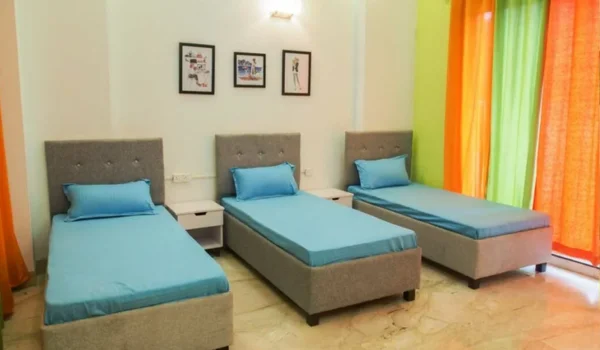
A PG business is essentially providing fully or semi-furnished rooms with additional services like meals, Wi-Fi, cleaning, and laundry. The target audience mainly includes:
- Students in colleges or universities
- Young professionals in IT, BPOs, or corporate offices
- Migrants from other cities seeking temporary accommodation
Why the PG business is profitable:
- Rising migration to metro and tier-2 cities
- Students and young professionals prefer PGs over long-term rentals
- Recurring monthly income
- Low maintenance compared to hotels
- Opportunity to scale by adding multiple properties
Step 2: Choose the Type of PG You Want to Start
Your PG model determines your investment, operations, and target customers.
Common PG Types in India:
- Student PG
- Located near colleges and universities
- Affordable pricing, shared rooms
- Usually no meals or simple mess facilities
- Working Professionals PG
- Near IT parks, offices, or commercial hubs
- Fully furnished rooms, Wi-Fi, and housekeeping
- Higher monthly rent and premium amenities
- Premium PG / Co-Living Spaces
- Modern interiors, private rooms, meals, and lounge areas
- Target high-paying professionals or corporate tie-ups
- Single-Gender or Mixed-Gender PG
- Tailored to comfort and safety preferences of guests
Expert Tip: If you are starting small, focus on a student PG or working professional PG first. Scale into premium co-living spaces as you gain experience.
Step 3: Find the Right Location
Location is the backbone of a successful PG business.
Factors to Consider:
- Proximity to colleges, universities, IT parks, or business hubs
- Safe neighborhoods with basic amenities like grocery stores, hospitals, and public transport
- Availability of 24/7 water, electricity, and Wi-Fi
- Reasonable property cost and accessibility
Example: A 3BHK apartment near an IT hub in Bangalore can easily house 8–12 working professionals with shared rooms.
Step 4: Legal Requirements & Registrations
A PG is a regulated rental business, and compliance ensures smooth operations.
Key Legal Requirements:
- Property ownership documents or rental agreement
- No objection certificate (NOC) from society/landlord (for rented properties)
- Municipal trade license (depends on city regulations)
- GST registration (if revenue exceeds threshold or premium PG)
- Optional insurance for property and tenants
Expert Tip: Even if optional, formal registration with local authorities builds trust among tenants and parents.
Step 5: Budgeting & Investment Planning
The PG business can start with as little as ₹5 lakh if you already own a residential property, or more if you are buying/furnishing property.
Key Cost Heads:
- Property rent or purchase
- Renovation and interior setup
- Beds, mattresses, cupboards, tables, chairs
- Kitchen and common area setup
- Utilities: Wi-Fi, water, electricity
- Cleaning and housekeeping services
- Security and safety features
A well-planned setup ensures higher occupancy and repeat customers.
Step 6: Furnishing & Amenities
Your PG’s attractiveness depends on comfort, convenience, and safety.
Must-Have Amenities:
- Comfortable beds and mattresses
- Clean linen and storage space
- High-speed Wi-Fi and study/work-friendly desks
- Functional kitchen (for self-cook or mess facility)
- Common area/lounge for relaxation
- Safety features: CCTV, fire extinguishers, emergency exits
Optional Amenities for Premium PGs:
- Meals or meal subscription
- Laundry service
- Gym or recreation area
- Weekly housekeeping
Even small investments in comfort increase occupancy and allow premium pricing.
Step 7: Pricing Strategy & Revenue Management
Pricing depends on location, amenities, and demand.
Tips:
- Offer per-bed or per-room pricing
- Include utility charges or meals in rent for convenience
- Offer discounts for long-term tenants
- Adjust pricing during peak admission seasons or corporate hiring periods
For example, in Delhi or Bangalore, shared rooms for students may range from ₹5,000–₹8,000 per month, while working professional PGs may fetch ₹10,000–₹20,000 per month per bed.
Step 8: Marketing & Customer Acquisition
Marketing a PG business is a blend of online visibility and local word-of-mouth.
Effective Marketing Channels:
- Online portals: 99acres, Magicbricks, NoBroker, NestAway
- Social media: Instagram, Facebook, WhatsApp groups for students and professionals
- Tie-ups with colleges, coaching centers, or corporate HRs
- Attractive signage at the property
- Referral discounts for existing tenants
Pro Tip: Good reviews and photos of the property increase trust, especially for parents of students.
Unique PG Business Ideas
To differentiate your PG and attract tenants faster, consider these innovative ideas:
- Female-Only PG
Focus on safety and convenience, a huge demand among working women.
- Co-Living / Community PG
Provide events, workshops, and common activities for young professionals.
- Eco-Friendly PG
Use solar water heaters, LED lights, and recycling systems to appeal to eco-conscious tenants.
- Corporate PG
Tie-up with companies to provide monthly accommodation for employees.
- Student Hostel-Style PG
Offer high-speed Wi-Fi, study rooms, and mess meals for college students.
Common Mistakes to Avoid
- Overcrowding rooms, leading to poor hygiene and discomfort
- Ignoring legal compliance or rental agreements
- Poor housekeeping and maintenance
- Underestimating utility costs
- Weak marketing and tenant engagement
- Ignoring tenant feedback
Final Thoughts: Is a PG Business Worth Starting in India?
Absolutely. The PG business is low-risk, high-demand, and scalable. With urbanization, student mobility, and corporate migration, the demand for quality, safe, and affordable PGs is only going to increase.
Key ingredients for success:
- Prime location near colleges or workplaces
- Comfortable, clean, and well-furnished rooms
- Transparent pricing and good tenant communication
- Compliance with local laws and safety standards
- Creative amenities and unique positioning
With the right approach, a small PG with 6–12 beds can generate ₹50,000–₹2,00,000 per month, and scaling to multiple properties can turn it into a substantial real estate-based business.