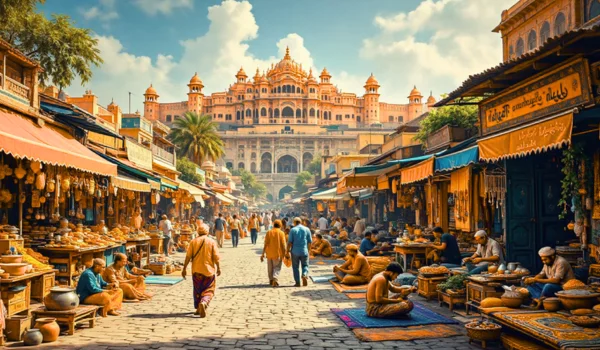
Street food is the heartbeat of India. From Mumbai’s vada pav to Delhi’s chaat, Kolkata’s kathi rolls to Chennai’s idli-sambar, roadside food stalls are not just businesses—they are cultural landmarks. They offer quick, affordable, and delicious meals to millions of Indians every day.
If you’ve ever dreamed of running your own food business without investing a fortune in a full-scale restaurant, a roadside food stall is one of the most profitable and accessible options in India. It allows you to test ideas, understand customer behavior, and scale gradually.
In this guide, I’ll explain how to start a roadside food stall business in India step by step, cover legal requirements, investment planning, operational tips, and share unique ideas to help your stall stand out in a crowded market.
Step 1: Understand the Roadside Food Stall Business
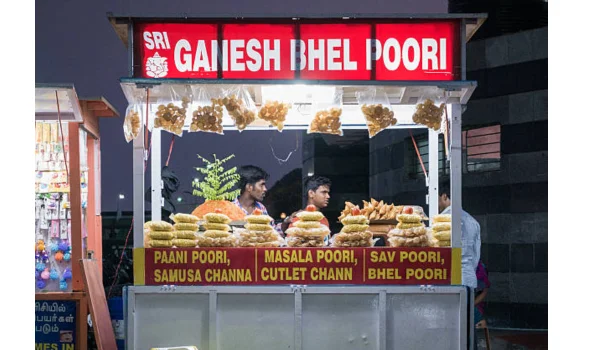
A roadside food stall is a small, mobile or semi-permanent setup that serves ready-to-eat food to customers. It is low-cost, high-volume, and flexible, making it ideal for aspiring food entrepreneurs.
Why It’s a Great Business Idea:
- Low startup cost (₹20,000–₹1,50,000 depending on setup)
- Quick returns with proper location and popular items
- Flexible hours and menu choices
- Opportunity to expand into multiple stalls or a full-fledged restaurant
However, the business also requires long hours, consistency, and hygiene, since food safety and customer satisfaction directly affect your survival.
Step 2: Choose the Right Food Concept
India is diverse, and food preferences vary by region, time of day, and customer type. Choosing the right niche can make your stall profitable.
Popular Roadside Food Ideas:
- Breakfast items: Poha, idli-sambar, vada pav, parathas
- Snacks & street food: Chaat, pani puri, samosas, pav bhaji
- Beverages: Tea, coffee, fresh juices, lassi
- Fast meals: Momos, rolls, sandwiches, noodles
- Healthy snacks: Fruit bowls, smoothie bowls, protein rolls
👉 Expert Tip: Start with 2–3 high-demand items rather than a long menu. Focus on taste, speed, and quality first.
Step 3: Research the Location & Target Customers
Location is the most important factor for a roadside food stall.
High-Potential Locations:
- Near offices, factories, or schools
- Bus stops, metro stations, and railway stations
- Busy marketplaces and shopping streets
- Near colleges or universities
- Tourist spots and pilgrimage areas
Things to Consider:
- Foot traffic during different times of day
- Competition nearby and pricing
- Space availability for setup and customers
- Accessibility for deliveries and supply restocking
Even a small stall in the right location can outperform a large stall in a low-traffic area.
Step 4: Legal Requirements & Licenses
Many people skip this step, but legal compliance is essential for sustainability.
Key Licenses:
- FSSAI License: Mandatory for selling packaged or prepared food
- Municipal Trade License: Approval from local authority for operating in public space
- GST Registration: If annual revenue crosses the threshold
- Shop & Establishment Registration: Optional, depending on local laws
Following these rules protects you from fines, harassment, and sudden shutdowns, and also boosts customer trust.
Step 5: Investment & Budget Planning
Roadside food stalls require relatively low capital but careful planning ensures profitability.
Typical Costs:
- Stall setup (cart, kiosk, or table setup): ₹20,000–₹80,000
- Cooking equipment: Gas stove, tandoor, utensils, fryers, mixers
- Initial raw materials: ₹5,000–₹20,000
- Packaging & serving materials: Plates, cups, napkins
- Hygiene supplies: Sanitizers, gloves, masks
- Branding: Signboards, banners, menu boards
If you’re creative, a simple handcart can start the business with less than ₹50,000.
Step 6: Sourcing Ingredients & Quality Control
Quality ingredients and consistency are key.
Tips:
- Source fresh vegetables, grains, and dairy daily
- Build relationships with local suppliers
- Maintain proper storage for perishable items
- Keep taste consistent; loyal customers return for familiar flavors
- Use clean water and oil for cooking
Even in street food, taste and hygiene are your best marketing tools.
Step 7: Stall Setup & Operations
Your stall should be functional, attractive, and easy to clean.
Setup Tips:
- Clean, bright, and eye-catching signage
- Simple cooking layout for speed
- Separate sections for cooking, serving, and packaging
- Containers for waste disposal and water supply
- Optional seating for 4–10 customers
Operations:
- Prepare popular items in batches for faster service
- Serve food quickly and politely
- Keep the stall tidy and visually appealing
- Track sales and inventory daily
Consistency is key; a messy stall or slow service can drive customers away.
Step 8: Marketing & Customer Engagement
Roadside food relies heavily on word-of-mouth, but a little marketing can boost sales.
Ideas:
- Social media promotion: Instagram reels and posts of your dishes
- Loyalty schemes: Buy 5, get 1 free
- Collaborations with local offices or delivery apps
- Special festival offers or discounts
- Friendly interaction with regular customers
Even a small stall can build a brand in the neighborhood if customers trust your food.
Unique Roadside Food Stall Ideas
To stand out in a crowded market, try these creative concepts:
- Fusion Street Food
Combine Indian flavors with global items, e.g., Pav Bhaji Tacos, Masala Momos, or Dhokla Burgers.
- Healthy Street Food
Serve baked or grilled snacks, fresh salads, smoothie bowls, or low-oil snacks.
- Dessert-Only Stall
Specialize in desserts like kulfi, waffles, brownies, or jalebi.
- Mobile Food Truck Concept
Upgrade from a static stall to a mobile van that reaches multiple busy areas.
- Regional Specialty Stall
Focus on authentic local flavors: Malvani seafood, Hyderabadi biryani rolls, or Gujrati farsan.
Common Mistakes to Avoid
- Ignoring cleanliness and hygiene
- Overcomplicating the menu
- Choosing a low-traffic location
- Poor inventory planning
- Underestimating competition
- Ignoring customer feedback
Even small mistakes can hurt a stall that depends on repeat business and footfall.
Final Thoughts: Is a Roadside Food Stall Business Worth Starting in India?
Absolutely. Roadside food is low-cost, high-demand, and scalable. You can start with minimal investment, learn the ropes, and expand gradually into multiple stalls or a full-fledged restaurant.
The key ingredients for success are:
- Great taste and consistent quality
- Proper hygiene and safety standards
- Strategic location with high footfall
- Friendly and fast service
- Creative branding and marketing
With dedication and smart planning, a roadside food stall can turn into a profitable, long-term business that gives financial independence while letting you share your passion for food.