Healthcare in Dubai has evolved rapidly over the past decade. Advanced medical facilities, internationally trained clinicians, and patient-centred treatment models now define the region’s healthcare ecosystem. Among the many specialities experiencing remarkable growth, physiotherapy stands out as a vital component of modern rehabilitation and preventive care.
For physicians and healthcare providers, physiotherapy is no longer limited to post-injury recovery. Today, it plays an integral role in chronic disease management, musculoskeletal health, neurological rehabilitation, and sports medicine. Clinics across the UAE continue to integrate evidence-based therapy protocols with modern rehabilitation technologies, creating a structured pathway for patient recovery.
Within this progressive healthcare environment, demand for physiotherapy in Dubai continues to rise as patients seek personalised, non-invasive treatments that restore function and improve quality of life.
Why Physiotherapy Has Become Essential in Modern Healthcare
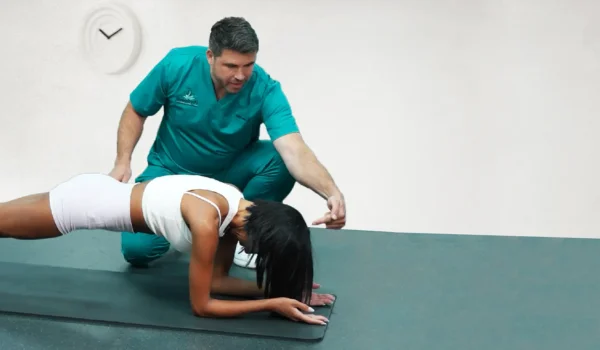
Physiotherapy focuses on restoring movement, improving function, and preventing disability. It addresses the root cause of physical limitations rather than merely reducing symptoms.
Healthcare professionals now recognise physiotherapy as a key component of multidisciplinary treatment plans. Orthopaedic surgeons, neurologists, sports physicians, and general practitioners routinely refer patients to physiotherapists to accelerate recovery and minimise long-term complications.
The scope of physiotherapy includes:
- Musculoskeletal rehabilitation
- Neurological recovery programmes
- Post-operative rehabilitation
- Chronic pain management
- Sports injury treatment
- Geriatric mobility care
Physiotherapists assess posture, muscle strength, joint mobility, and functional movement patterns. They then design structured rehabilitation plans using therapeutic exercises, manual therapy techniques, and specialised equipment.
For healthcare providers, early physiotherapy referral often reduces hospital readmissions, improves functional outcomes, and shortens recovery timelines.
Key Conditions Treated Through Physiotherapy
Physiotherapy services in Dubai cover a broad range of medical conditions. Hospitals and specialised rehabilitation centres provide targeted therapies for patients of all age groups.
Musculoskeletal Disorders
Musculoskeletal issues are the primary driver for most physiotherapy referrals. Patients frequently present with complaints like persistent lower back pain, neck stiffness, aching joints, or postural irregularities, often stemming from the realities of modern, sedentary office environments.
Physiotherapists approach these challenges by crafting bespoke strengthening and mobility regimes that specifically target individual muscle imbalances and joint dysfunction. Beyond the treatment room, they play a crucial role in empowering patients through detailed education on posture correction, effective workstation ergonomics, and sustainable injury prevention strategies.
Common cases include:
- Lower back pain
- Cervical spondylosis
- Frozen shoulder
- Ligament injuries
- Osteoarthritis
- Tendonitis
Sports Injuries
Dubai hosts an active sporting community. Professional athletes and recreational players frequently require specialised rehabilitation after injuries.
Sports physiotherapy focuses on restoring strength, flexibility, and coordination. Rehabilitation programmes gradually return athletes to competitive activity while reducing the risk of re-injury.
Neurological Rehabilitation
Neurological physiotherapy helps patients regain mobility after stroke, spinal cord injury, Parkinson’s disease, or traumatic brain injury.
Therapists use neuroplasticity-based training to stimulate functional recovery. Balance training, gait therapy, and coordination exercises play a major role in improving independence and daily functioning.
Post-Surgical Recovery
Orthopaedic procedures such as knee replacement, hip replacement, and spinal surgery require structured rehabilitation.
Physiotherapy begins soon after surgery to restore joint mobility, strengthen surrounding muscles, and prevent complications like stiffness or muscle atrophy.
Advanced Physiotherapy Techniques Used in Dubai
Dubai’s rehabilitation centres employ advanced technologies that enhance treatment outcomes. Healthcare providers often combine traditional physiotherapy with modern therapeutic tools.
Manual Therapy
Manual therapy involves hands-on techniques that mobilise joints and soft tissues. Skilled physiotherapists use controlled movements to reduce stiffness and improve range of motion.
Electrotherapy
Electrotherapy devices use controlled electrical stimulation to reduce pain and accelerate tissue healing. Modalities such as TENS therapy, ultrasound therapy, and interferential therapy help manage chronic pain conditions.
Therapeutic Exercise Programmes
Exercise therapy forms the backbone of physiotherapy treatment. Therapists develop customised programmes that strengthen muscles, improve balance, and restore normal movement patterns.
Dry Needling and Myofascial Release
Many physiotherapy clinics now use dry needling techniques and myofascial release therapy to relieve muscle tightness and trigger points. These methods improve circulation and reduce chronic muscular pain.
Benefits of Physiotherapy for Long-Term Health
Physiotherapy provides benefits that extend far beyond immediate pain relief. Doctors increasingly recommend rehabilitation therapy as a preventive healthcare strategy.
Key benefits include:
Improved mobility and flexibility
Patients regain joint movement and muscle strength through targeted exercise programmes.
Reduced dependence on medication
Physiotherapy addresses the underlying causes of pain rather than masking symptoms with long-term medication.
Faster recovery after injury or surgery
Structured rehabilitation accelerates healing and restores normal function.
Better posture and movement patterns
Postural correction reduces strain on muscles and joints.
Prevention of recurring injuries
Strengthening programmes protect vulnerable areas and improve overall stability.
For healthcare professionals, physiotherapy improves treatment outcomes across multiple medical disciplines.
The Role of Multidisciplinary Care in Rehabilitation
Modern physiotherapy works best when integrated with other medical specialities. Hospitals in Dubai encourage collaboration between physiotherapists, orthopaedic surgeons, neurologists, pain specialists, and sports medicine physicians.
This multidisciplinary model ensures comprehensive patient care. Physicians provide medical diagnosis and treatment planning, while physiotherapists focus on restoring functional ability.
Such collaboration leads to:
- Faster rehabilitation progress
- Reduced treatment complications
- Improved patient satisfaction
- Better long-term health outcomes
Several leading medical institutions across the UAE have developed integrated rehabilitation departments that support this collaborative approach.
Choosing the Right Physiotherapy Facility
Healthcare providers and patients must consider several factors before selecting a physiotherapy centre.
Qualified Physiotherapists
The experience and qualifications of physiotherapists significantly influence treatment outcomes. Many physiotherapists in Dubai hold international certifications and advanced postgraduate training.
Evidence-Based Treatment Methods
Clinics that follow evidence-based rehabilitation protocols deliver more consistent and measurable patient outcomes.
Advanced Rehabilitation Equipment
Modern physiotherapy centres use specialised rehabilitation equipment, motion-analysis tools, and therapeutic devices to enhance treatment precision.
Multidisciplinary Medical Support
Hospitals that offer physiotherapy within a larger clinical framework allow seamless communication between specialists. Many patients prefer rehabilitation centres attached to the best hospital in Qusais because these facilities provide comprehensive diagnostic and treatment services under one roof.
The Future of Physiotherapy in Dubai
Dubai continues to invest heavily in healthcare infrastructure. Rehabilitation medicine stands at the centre of this growth. Hospitals increasingly adopt digital health monitoring systems, AI-assisted movement analysis, and robotic rehabilitation devices.
Tele-rehabilitation programmes also allow physiotherapists to guide patients through home-based therapy sessions. This hybrid model expands access to rehabilitation services while maintaining treatment continuity.
Medical professionals expect physiotherapy to play an even greater role in preventive healthcare. Early intervention strategies help patients maintain mobility, avoid surgery, and manage chronic conditions effectively.
Final Thoughts
Physiotherapy has become an indispensable pillar of modern healthcare. It bridges the gap between medical treatment and functional recovery, ensuring patients regain independence and mobility.
Dubai’s healthcare system continues to strengthen its rehabilitation services through advanced technologies, skilled professionals, and patient-focused treatment models. As awareness grows among both physicians and patients, physiotherapy will remain a cornerstone of comprehensive medical care.
For healthcare providers seeking effective, non-invasive treatment strategies, physiotherapy offers a powerful pathway to improve clinical outcomes, enhance patient wellbeing, and support long-term physical health.