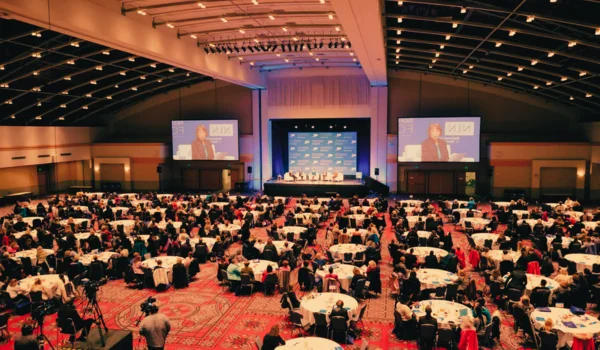
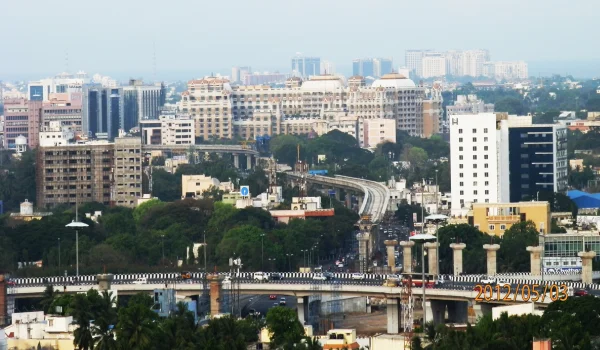
When delegates walk into a polished ballroom with seamless registration, flawless AV, perfectly timed keynote transitions, and a buzzing networking atmosphere, it looks effortless. That illusion is the point. A well-executed conference should feel smooth, natural, almost inevitable.
But behind that curtain sits a complex operation that most people never see. Months of planning. Hundreds of micro-decisions. Dozens of vendors. Contingency plans layered on top of contingency plans.
If you have ever wondered what a professional team in conference event management Singapore actually does, this behind-the-scenes breakdown will give you the full picture.
It Starts With Strategy, Not Staging
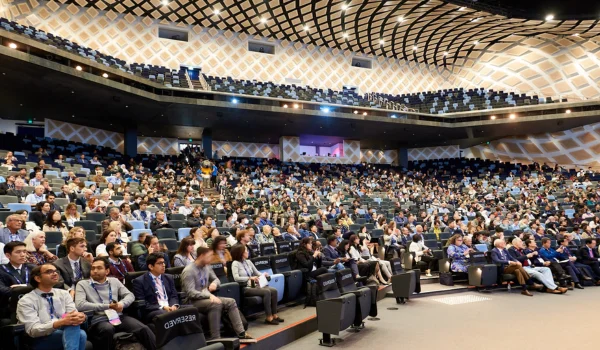
Before any venue is booked or backdrop designed, a conference organiser begins with strategy. What is the business objective. Is the event meant to generate leads, position thought leadership, train internal teams, launch a product, or strengthen investor relations.
Strong conference event management Singapore firms do not jump straight into logistics. They ask about KPIs, audience demographics, and brand positioning.
This initial alignment shapes everything that follows. Programme structure, speaker selection, sponsorship design, venue layout, and even coffee break timing are influenced by business objectives.
Programme Design and Content Architecture
Content is the backbone of any conference. A strong organiser helps shape the agenda strategically. This involves defining themes, structuring session flows, balancing keynote energy with breakout depth, and aligning content with audience expectations.
In complex events such as medical or financial conferences, organisers may manage abstract submissions, speaker coordination, and compliance review processes.
Programme architecture is not random scheduling. It is intentional design that guides attention, maintains energy, and delivers value.
Budget Engineering and Cost Control
One of the most underestimated aspects of conference event management Singapore is financial planning. A professional organiser does not simply execute within a budget. They engineer the budget.
This includes venue negotiations, vendor rate optimisation, sponsorship structuring, and contingency allocation.
Experienced organisers understand where cost savings can occur without compromising impact. They also anticipate hidden costs that inexperienced planners often overlook.
Budget discipline protects both financial outcomes and event quality.
Venue Sourcing and Contract Negotiation
Singapore offers a wide range of conference venues, from large convention centres to boutique corporate spaces. Choosing the right venue involves more than aesthetics.
Organisers evaluate capacity, technical infrastructure, accessibility, branding flexibility, catering quality, and cost efficiency.
Contract negotiation is equally critical. Terms regarding minimum spend, cancellation clauses, equipment access, and overtime charges must be reviewed carefully.
Strong conference event management Singapore teams bring leverage through established relationships and experience.
Vendor Coordination and Production Design
A conference is a collaboration of multiple specialised vendors. Audio-visual providers. Lighting designers. Stage fabricators. Registration platform operators. Catering teams. Simultaneous interpretation services.
An organiser acts as the central command hub coordinating all moving parts.
Production design is not just about making things look good. It is about creating an environment that enhances audience experience while ensuring technical reliability.
Every cable placement, speaker microphone test, and lighting cue must align precisely.
Registration Systems and Delegate Experience
Registration is the first physical interaction delegates have with your event. It must be efficient, intuitive, and well-staffed.
Professional conference event management Singapore teams implement digital registration platforms, QR-based check-ins, badge printing systems, and data capture workflows.
They also anticipate delegate movement. Crowd flow, signage clarity, and session capacity management influence the overall experience significantly.
Delegate satisfaction often hinges on these invisible details.
Speaker Management and Rehearsals
Securing keynote speakers is only the beginning. Managing them is another process entirely.
Organisers coordinate travel, accommodation, presentation formats, rehearsal schedules, and backstage logistics.
A good organiser anticipates speaker needs. Backup microphones are ready. Slide clickers are tested. Timing cues are clearly communicated.
Professional execution prevents awkward delays and maintains audience engagement.
Risk Management and Contingency Planning
No event is immune to risk. Speakers cancel. Flights are delayed. Technical equipment fails.
Behind every seamless conference lies a series of contingency plans.
Conference event management Singapore professionals prepare backup speakers, redundant AV systems, medical support protocols, and emergency response procedures.
They assess venue safety compliance, insurance coverage, and crowd control measures long before the event begins.
Risk management is what separates amateurs from professionals.
Hybrid and Virtual Integration
Modern conferences often incorporate hybrid components. Live streaming, remote speakers, and on-demand session libraries have become common expectations.
Organisers coordinate streaming platforms, technical bandwidth, camera placement, and virtual audience engagement tools.
Managing hybrid execution requires coordination between physical and digital production teams.
The goal is unified experience, not fragmented participation.
Sponsor and Exhibitor Management
Sponsorship often funds a significant portion of conference budgets. Organisers design sponsor packages, coordinate exhibition booth layouts, manage branding placements, and ensure sponsor deliverables are fulfilled.
Exhibitor logistics include booth construction schedules, electricity access, WiFi provisioning, and compliance with venue guidelines.
Effective conference event management Singapore services maximise sponsor ROI while protecting delegate experience.
Onsite Command Centre
On event day, organisers operate like air traffic controllers. Every session, break, and transition is tracked against a detailed run sheet.
Communication flows through radios, production dashboards, and real-time coordination meetings.
If an issue arises, the organiser resolves it quietly before delegates even notice.
What looks smooth from the audience perspective often requires dozens of behind-the-scenes decisions per hour.
Post-Event Reporting and Analytics
The event does not end when the final applause fades. Professional organisers compile attendance data, engagement metrics, sponsor exposure reports, and post-event survey results.
They analyse what worked, what did not, and where optimisation opportunities exist.
For corporate clients, this data informs ROI assessment and future strategy.
Conference event management Singapore is not just about execution. It is about measurable outcomes.
Why This Matters
Many organisations underestimate the complexity of conferences until they attempt to manage one internally. Coordination gaps appear quickly. Budget overruns surface. Stress levels rise.
Professional organisers bring structured methodology, vendor leverage, and execution experience. They reduce risk while enhancing impact.
What appears to be event planning is actually integrated project management, financial oversight, content curation, technical production, and risk mitigation combined.
Final Thoughts
A successful conference feels effortless because professionals absorb the complexity.
From strategy formulation to vendor negotiation, from registration design to contingency planning, from stage lighting cues to post-event analytics, conference event management Singapore teams operate at multiple levels simultaneously.
When done right, delegates remember the insights, connections, and experience. They never see the spreadsheets, contingency files, vendor calls, and rehearsal notes behind it all.
That invisibility is not accidental. It is the product of structured, disciplined, behind-the-scenes execution.