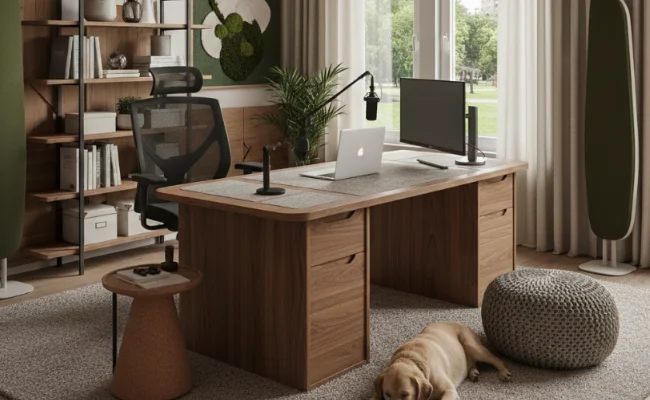
Design trends evolve, but one shift has become unmistakably clear in recent years. Interior designers, architects, and modern homeowners are increasingly choosing engineered surfaces over marble and granite for kitchens, bathrooms, furniture, facades, and worktops. While natural stones once dominated luxury spaces, today’s home expectations have changed. Today, performance, hygiene, design freedom, and long-term durability hold equal weight alongside beauty.
This shift has been driven by advancements in material technology and a deeper understanding of how modern lifestyles demand more from surfaces. In this piece, we explore why engineered surfaces have become the preferred choice for professionals and how they outperform traditional natural stones in almost every key area.
The New Expectation: More Than Just Beauty
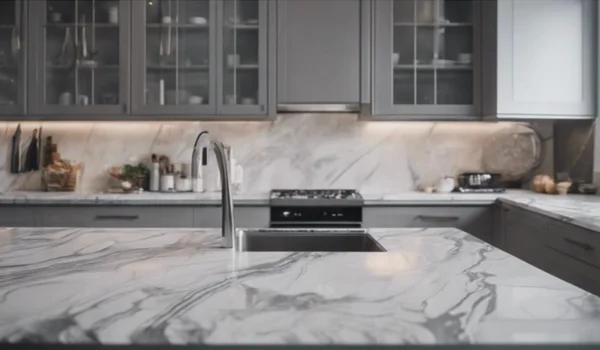
A decade ago, marble and granite were considered the ultimate symbols of elegance. Their natural veining, organic texture, and uniqueness made them desirable. But with increased usage, homeowners started noticing issues like:
- Staining
- Cracking
- Fading
- Chipping
- Bacterial growth
- Color inconsistency
- High maintenance
As these challenges became more common, designers realised that beauty alone was not enough. Today’s kitchens experience heat, spills, acids, and heavy appliances. Bathrooms stay wet for long hours, and outdoor spaces are exposed to sunlight, temperature changes, and rainfall. Homes today demand surfaces that can handle real, everyday stress while still looking elegant.
This rising need for durability and design is exactly where engineered surfaces changed the game.
Key Advantages That Make Engineered Surfaces Designers’ First Choice
Engineered surfaces deliver the perfect mix of durability, hygiene, and design flexibility. Their consistency and performance make them a reliable choice for modern spaces. Here’s why designers prefer them:
1. Superior Hygiene and Non-Porous Structure
Natural stones like marble and granite are porous. They absorb liquids, oils, stains, and moisture over time. This leads to:
- Bacterial growth
- Patchy discoloration
- Odour retention
- Mold formation
Regular sealing is needed to maintain hygiene.
Engineered materials, however, offer a non-porous,liquid-repellent structure. This prevents any penetration of:
- Water
- Food juices
- Spices
- Cleaning chemicals
- Oils
Designers love this feature because it ensures a hygienic, food-safe environment effortlessly. Surfaces remain antibacterial and easy to clean every single day.
2. Consistent Quality and Strength
Marble and granite come from quarries, and no two slabs are identical. Variations in density and structure can lead to weak spots and uneven performance. Cracks and chips are common during cutting or installation.
Engineered surfaces are manufactured with uniform strength and controlled composition. They deliver consistent performance across the entire slab, which reduces:
- Material wastage
- Breakage
- Installation issues
Designers get predictable durability, making planning easier and more reliable.
3. Resistance to Heat, Fire, and Daily Kitchen Stress
Natural stones react differently to heat. Granite may crack under extreme temperatures. Marble gets damaged by hot pots and pans. In modern cooking setups, this is a serious concern.
Engineered slabs manufactured at extremely high temperatures show exceptional resistance to:
- Heat
- Fire
- Thermal shock
Designers choose them for kitchens where performance and safety must go hand in hand. Homes today need surfaces that can handle daily heat exposure without damage.
4. Stain and Chemical Resistance
Acidic foods like lemon, vinegar, or tomato can etch marble. Turmeric and oils can permanently stain granite. Harsh cleaning agents may dull natural stone.
Engineered materials resist staining, etching, and chemical reactions. Their surface remains smooth and vibrant even after years of usage. Designers prefer this stability because:
- It reduces maintenance
- Keeps the interior looking fresh
- Makes countertops worry-free for families
- Prevents unexpected repair costs
5. Scratch and Abrasion Resistance
Cutting, chopping, dragging utensils, and daily wear can easily scratch marble and granite. Once scratched, natural stones lose their shine and become difficult to restore.
Engineered slabs offer remarkably high resistance to:
- Scratches
- Abrasion
- Impact
This makes them suitable for heavy-use kitchens, commercial spaces, and high-traffic environments. Designers choose them because they remain visually perfect even after years of usage.
6. UV Resistance and Outdoor Compatibility
Marble fades in sunlight. Granite darkens or loses its original tone when exposed to the outdoors or in high-exposure areas.
Engineered surfaces maintain colour consistency even under strong sunlight. They are ideal for:
- Outdoor kitchens
- Open balconies
- Sunlit countertops
- Facades
- Window-adjacent surfaces
Designers value this because it opens the possibility of using the same material indoors and outdoors to create visual continuity.
7. Low Maintenance and Long-Term Value
Natural stones also require ongoing upkeep to retain their appearance and performance. These stones demand:
- Annual or bi-annual sealing
- Special cleaning products
- Constant care to avoid stains
- Protection from acids and oils
Engineered surfaces make everyday upkeep simple and deliver dependable performance for years. That’s why many designers now turn to advanced solutions like Neotra Advanced Surfaces, offering NSF-certified hygiene, IGBC-aligned sustainability, and long-lasting durability that goes far beyond natural stone.
8. Greater Design Freedom and Variety
Marble and granite are limited by nature. Some patterns are rare and expensive. Consistency across multiple slabs is hard to achieve.
Engineered materials offer limitless possibilities in:
- Colours
- Textures
- Veined marble looks
- Dark stone looks
- Matte or soft touch finishes
- Smooth pastel shades
Digital technology allows designers to choose exactly what suits a project’s mood board, ensuring perfect coordination with cabinetry, lighting, and flooring. This consistency allows clean, seamless installations that natural stone cannot always achieve.
9. Sustainable and Responsible Choice
Many designers today prioritise sustainability. Natural stone quarrying involves heavy extraction, transportation, and environmental impact. Engineered surfaces made from natural minerals without resins or harmful chemicals offer a more responsible alternative.
Their long lifespan also reduces waste and replacement costs.
10. Reliability in High Performance Spaces
Designers working on luxury homes, modular kitchens, commercial counters, bathrooms, and hospitality projects prefer materials that consistently perform. Engineered slabs offer:
- Higher resistance
- Enhanced hygiene
- Predictable performance
- Long-lasting beauty
- Simplified installation
These factors make them ideal for both residential and commercial applications.
Final Thoughts
The shift toward engineered surfaces is rooted in practicality, performance, and longevity. Designers today want materials that are beautiful but also strong, hygienic, safe, and easy to maintain. Natural stones like marble and granite may look elegant, but they cannot match the advanced features offered by engineered slabs.
If you want a slab that enhances your kitchen visually while delivering unmatched strength and long-lasting beauty, consider materials that balance durability, hygiene, and contemporary design to match modern lifestyle needs.