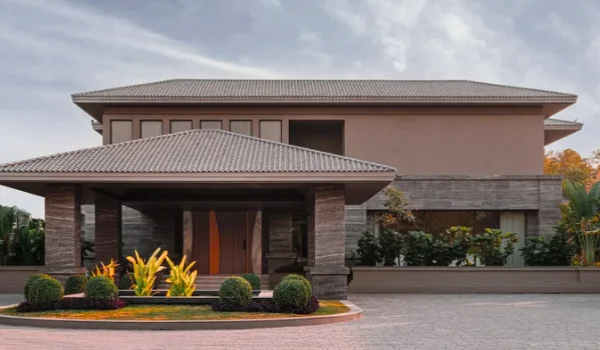
Monsoon brings relief from extreme summer heat, but it also creates several problems for homeowners across India. From leaking roofs and damp walls to mold growth and water seepage, heavy rainfall can quickly damage a home if proper precautions are not taken. In cities with long rainy seasons and high humidity, even small maintenance issues can become expensive repairs over time.
The good news is that you do not always need major renovations to protect your home during monsoon. Simple and practical rain-proof home improvement ideas can help prevent leakage, moisture buildup, mold, electrical risks, and structural damage while keeping your living space comfortable and safe.
Whether you live in a compact apartment, an independent house, or an older property, preparing your home before monsoon can save money, reduce stress, and improve indoor comfort throughout the rainy season.
In this article, we will explore practical, affordable, and effective rain-proof home improvement ideas specially suited for Indian homes.

Why Monsoon Protection Is Important for Homes
Rainwater may seem harmless initially, but continuous moisture exposure can affect:
- Walls
- Roofs
- Wooden furniture
- Electrical systems
- Paint
- Flooring
- Indoor air quality
Ignoring small issues before monsoon often leads to:
- Damp walls
- Mold growth
- Peeling paint
- Ceiling leakage
- Foul smell
- Expensive repairs
Preventive maintenance is always cheaper than post-damage renovation.
Common Monsoon Problems in Indian Homes
Before discussing solutions, it is important to understand the most common monsoon-related issues.
Common Problems Include:
- Roof leakage
- Damp walls
- Water seepage
- Mold and fungus
- Mosquito breeding
- Balcony water accumulation
- Electrical moisture problems
- Wooden furniture swelling
The right home improvements can minimize most of these problems significantly.
Best Rain-Proof Home Improvement Ideas for Monsoon
1. Waterproof the Roof Properly
Why Roof Protection Is Essential
The roof receives direct rainfall continuously during monsoon.
Even tiny cracks can allow water seepage over time.
Effective Roof Waterproofing Solutions
- Waterproof coating
- Crack filling
- Waterproof membranes
- Heat and rain-resistant sealants
Important Tip
Inspect the terrace before monsoon every year.
Look for:
- Cracks
- Water pooling
- Broken tiles
- Damaged drainage outlets
Preventive waterproofing is far more affordable than repairing ceiling damage later.
2. Repair Wall Cracks Immediately
Why Cracks Become Dangerous During Monsoon
Rainwater enters through small wall cracks and gradually causes:
- Damp patches
- Paint peeling
- Structural weakening
Areas to Inspect
- Window edges
- Balcony walls
- Exterior plaster
- Ceiling corners
Best Solution
Use:
- Waterproof fillers
- Exterior sealants
- Crack repair compounds
Even small cracks should never be ignored before rainy season.
3. Improve Drainage Around the Home
Why Drainage Matters
Poor drainage causes water accumulation near walls and foundations.
This increases seepage risk.
Practical Drainage Improvements
- Clean terrace drains
- Clear balcony outlets
- Remove leaves and debris
- Ensure water flows away from walls
Blocked drains are one of the biggest causes of monsoon water damage.
4. Install Weatherproof Window Sealing
Common Problem
Rainwater often enters through window gaps during heavy wind and rain.
Best Solutions
Use:
- Silicone sealants
- Rubber beading
- Weather strips
Additional Tip
Sliding windows should be cleaned regularly because dirt blocks water drainage channels.
5. Protect Wooden Furniture from Moisture
Why Wood Gets Damaged in Monsoon
Humidity causes wood to:
- Swell
- Warp
- Develop fungus
Protective Measures
- Keep furniture away from damp walls
- Use moisture absorbers
- Apply protective polish
Better Furniture Choices
Engineered wood with moisture-resistant coating performs better in humid conditions.
6. Use Anti-Fungal and Waterproof Paint
Why Normal Paint Fails
Regular paint may peel or develop mold in damp conditions.
Better Alternative
Use:
- Waterproof exterior paint
- Anti-fungal interior paint
- Moisture-resistant coatings
Best Areas to Apply
- Bathrooms
- Kitchens
- Exterior walls
- Ceiling corners
These paints improve long-term wall protection.
7. Improve Bathroom Ventilation
Why Bathrooms Need Attention
Bathrooms remain humid during monsoon, increasing mold risk.
Smart Improvements
- Install exhaust fans
- Keep windows open when possible
- Dry wet surfaces regularly
Proper ventilation reduces:
- Mold
- Damp smell
- Moisture buildup
8. Prevent Balcony Water Accumulation
Common Balcony Problems
Many balconies develop:
- Water pooling
- Slippery floors
- Leakage into rooms
Solutions
- Ensure proper floor slope
- Clean drain outlets
- Use outdoor waterproof flooring
Additional Tip
Avoid storing cardboard boxes or wooden items in balconies during monsoon.
9. Upgrade Electrical Safety
Why Electrical Protection Matters
Moisture increases electrical risks during rainy season.
Important Safety Improvements
- Replace damaged wiring
- Use waterproof switch covers
- Keep extension boards away from wet areas
Warning Signs
Immediately inspect if you notice:
- Sparking
- Moisture near switches
- Frequent tripping
Electrical safety should never be ignored during monsoon.
10. Use Moisture Absorbers Indoors
Why Indoor Humidity Is a Problem
Monsoon humidity creates:
- Musty odor
- Dampness
- Mold-friendly conditions
Low-Cost Moisture Solutions
Use:
- Baking soda
- Rock salt
- Charcoal absorbers
- Silica gel packs
These help control indoor moisture naturally.
11. Install Mosquito Protection
Why Mosquitoes Increase During Monsoon
Rainwater creates breeding spots.
Smart Monsoon Improvements
- Install window mesh
- Use drain covers
- Eliminate stagnant water
Common Breeding Areas
- Plant trays
- Balcony corners
- Open containers
Mosquito prevention improves both comfort and health safety.
12. Protect Doors and Windows from Swelling
Why This Happens
Wood absorbs moisture during rainy weather.
Solutions
- Apply protective varnish
- Use moisture-resistant laminates
- Keep airflow active indoors
Regular maintenance prevents sticking doors and damaged frames.
13. Use Slip-Resistant Flooring
Why Flooring Safety Matters
Wet floors increase slipping risks during monsoon.
Better Flooring Options
- Anti-skid tiles
- Textured mats
- Outdoor grip flooring
Important Areas
- Entrance
- Bathroom
- Balcony
- Kitchen
Safety improvements are especially important for children and elderly family members.
14. Organize Entryway for Rainy Weather
Why Entry Areas Get Messy
Rainwater, mud, and wet footwear quickly spread dirt indoors.
Practical Entryway Improvements
- Use shoe racks near entrance
- Add water-absorbent mats
- Create umbrella storage space
Small entryway organization reduces indoor mess significantly.
15. Maintain Proper Indoor Airflow
Why Airflow Helps
Fresh airflow reduces:
- Dampness
- Mold
- Bad odor
Practical Tips
- Open windows during dry periods
- Use ceiling fans
- Avoid overcrowded furniture arrangements
Good airflow is one of the simplest monsoon protection methods.
Room-Wise Rain-Proof Home Improvement Tips
Living Room
Common Problems
- Damp walls
- Humidity
- Furniture damage
Solutions
- Use moisture absorbers
- Keep furniture slightly away from walls
- Improve ventilation
Bedroom
Problems
- Moldy wardrobes
- Damp bedding
- Bad odor
Solutions
- Use wardrobe moisture absorbers
- Sun-dry mattresses occasionally
- Avoid overcrowded storage
Kitchen
Problems
- Cockroaches
- Humidity
- Water leakage
Solutions
- Keep sink area dry
- Seal cracks
- Use exhaust ventilation
Bathroom
Problems
- Mold growth
- Slippery floors
- Moisture buildup
Solutions
- Improve ventilation
- Use anti-fungal cleaners
- Dry surfaces regularly
Budget-Friendly Monsoon Home Improvements
Many effective rain-proof solutions are affordable.
| Low-Cost Improvement | Main Benefit |
| Waterproof sealant | Prevents leakage |
| Window weather strips | Stops rainwater entry |
| Moisture absorbers | Reduces dampness |
| Drain cleaning | Prevents water buildup |
| Anti-skid mats | Improves safety |
| Exhaust fans | Reduces humidity |
Small preventive measures can avoid major repair expenses later.
Traditional Indian Monsoon Protection Methods
Many traditional Indian homes were naturally designed for rainy weather.
Traditional Ideas That Still Work
- Sloped roofs
- Verandas
- Natural ventilation
- Courtyard drainage
- Raised flooring
These techniques helped homes stay cooler and drier during heavy rainfall.
Common Mistakes That Worsen Monsoon Damage
Ignoring Small Leaks
Tiny leaks can become serious structural issues over time.
Delaying Waterproofing
Many homeowners wait until leakage appears.
Preventive waterproofing is always better.
Blocking Ventilation
Closed homes trap humidity and encourage mold growth.
Storing Items Against Damp Walls
Furniture and storage boxes absorb moisture quickly.
Neglecting Drain Cleaning
Blocked drains often cause overflow and seepage.
Eco-Friendly Rain-Proof Ideas
Sustainable monsoon improvements are becoming popular in Indian homes.
Eco-Friendly Solutions
- Rainwater harvesting
- Natural ventilation
- Clay flooring
- Bamboo outdoor furniture
These options improve both sustainability and monsoon resilience.
Psychological Benefits of a Dry and Comfortable Home
Monsoon-related dampness and leakage can create stress and discomfort.
A dry and fresh home improves:
- Relaxation
- Sleep quality
- Hygiene
- Overall indoor comfort
Good home maintenance also prevents unpleasant odors and clutter.
Long-Term Benefits of Rain-Proof Home Improvements
Proper monsoon preparation helps:
- Reduce repair costs
- Protect furniture
- Prevent structural damage
- Improve indoor air quality
- Increase property lifespan
Regular maintenance also preserves the appearance and value of the home.
Final Thoughts
Monsoon can be beautiful and refreshing, but it also tests the durability and maintenance of Indian homes. Rain-proof home improvement is not only about fixing leaks after they appear but about preparing the house in advance to handle moisture, humidity, and heavy rainfall effectively.
Simple improvements like waterproofing the roof, sealing wall cracks, improving ventilation, protecting furniture, cleaning drains, and reducing indoor humidity can prevent many common monsoon problems before they become expensive repairs.
The best part is that many rain-proofing solutions are affordable, practical, and suitable for both apartments and independent houses. With timely preparation and smart maintenance, homeowners can enjoy the rainy season comfortably while keeping their homes safe, dry, and damage-free throughout monsoon.