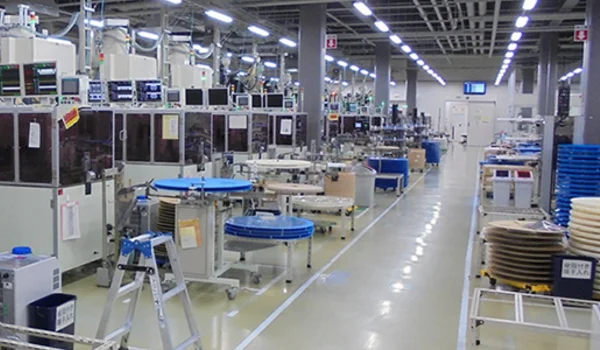
Yokogawa India Limited is the Indian subsidiary of Yokogawa Electric Corporation (Japan), operating in the fields of industrial automation, process control systems, instrumentation, enterprise software, test & measurement, and related services. The company has its head/regional engineering / manufacturing / R&D presence in Electronic City, Bengaluru (Konappana Agrahara area). Established in 1987, it has been a significant player in the automation / instrument / technology sector in India.
The Electronic City facility is a major site for Yokogawa India’s operations: manufacturing, research & development, engineering, service & support. It is listed as its Corporate Head Office / Regional Support Office (for India & South Asia) in many of their contact directories.
Key Facts & Contact Info
| Field | Detail |
| Name | Yokogawa India Limited |
| Address | Plot No. 96, Electronic City Complex, Hosur Road, Bengaluru 560100, Karnataka, India. “Electronic City Complex” / “Electronics City Complex” is used in multiple sources. |
| Landmark / Local Info | Near InfoSys 4th Gate, ICICI Bank, in Electronic City Phase-1 (Konappana Agrahara). |
| Phone | +91-80-4158-6000 |
| Fax | +91-80-2852-1442 |
| YIL-contactus@yokogawa.com (for general/contact enquiries) | |
| Website | https://www.yokogawa.com/in |
| Company Registration | Public limited company; CIN U74210KA1987FLC008304; incorporated 14 April 1987. |
Facilities & Logistics
While not all facility details are publicly published, here’s a compiled list based on employee reviews, property directories, and company sources:
| Facility / Feature | Details / Notes |
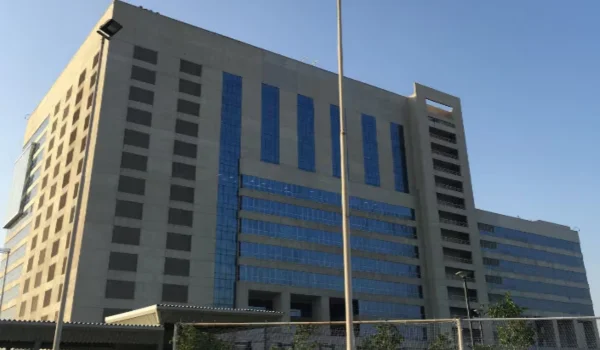
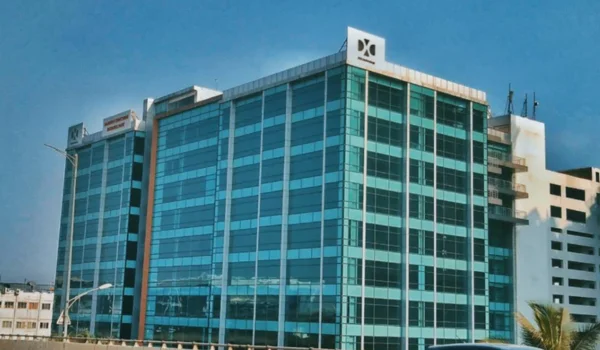
| Office / Campus Type | Large corporate head office / engineering / manufacturing / R&D facility. Multi-storeyed building(s) in Electronic City Complex. |
| Transport connectivity | Among good assets: the site is in Electronic City Phase-1, which has decent road connectivity via Hosur Road; also near a newly opened metro station (Infosys Foundation Konappana Agrahara) on Yellow Line. |
| Nearest Metro / Bus | Infosys Foundation Konappana Agrahara Metro Station is the nearest metro, two-wheeler parking available; it is elevated. Bus services to / from Electronic City are common (state transport/private buses). Employees also report company transport / shuttle in some roles (not always confirmed). Local landmarks: near Infosys Gate No.4 etc. |
| Hours / Timings | Typical business / office hours used by employees: approx 9:00 AM to 6:00 PM (Monday-Friday) for many roles. Some R&D / service roles may have different shifts. Canteen / support services are aligned to office schedule. Holiday calendar follows major Indian holidays & Karnataka/state holidays. (Not all hours are published officially). Also in directories, one listing says “open until 4:30 PM” for a particular office-floor contact. |
| Employee Amenities | Canteen, cafeteria, hygiene facilities. Some comments in employee reviews that canteen is clean/hygienic; food options limited (often vegetarian or limited variety). Transport / shuttle may be available for some. Security, infrastructure (power backup, electricity, clean office space) are generally reported as good. |
Google Maps Location
Employee Feedback / Reviews
From sources like Glassdoor, AmbitionBox, Indeed etc.:
- Overall rating: Roughly 3.8-4.0 / 5 (varies by platform). Many employees rate job security high, culture decent, growth/training mixed.
- Pros cited regularly**:
- Good environment for freshers / early career ‒ exposure to industrial automation & instrumentation, good learning opportunities.
- Decent work-life balance (though some roles have higher demands).
- Brand reputation; stable employer; structured safety & process discipline.
- Cons / Challenges:
- Salary / increments often perceived as lower compared to peers in software / tech sectors. Some employees feel pay growth is slow.
- Limited flexibility in some managerial/business units; sometimes strict policies.
- Food / canteen variety / non-veg options limited in some reports.
- Transport / commuting challenges for some (Electronic City is well connected but traffic/peak hours cause delays). Some report shuttle/transport benefits, but not uniformly.
Pros & Cons
| Aspect | Pros | Cons |
| Location / Connectivity | Located in Electronic City, a major tech / industrial hub in Bangalore; close to major road (Hosur Road); metro station recently added (Infosys Foundation Konappana Agrahara) improves public transport access. Landmark proximity (Infosys Gate 4 etc.) helps. | Even so, Electronic City still has traffic congestion especially during peak hours; transport to/from outer suburbs can be time-consuming; public transport for some last mile commutes may be less convenient. |
| Learning / Career Opportunities | Good for challenging domains (automation, control systems, instrumentation, SCADA, etc.), exposure to industrial systems and international engineering standards; good brand for resume; freshers report good training. | Some employees report slower career progression; promotion / increments are not always competitive compared to pure software/tech firms; some managers stringent about rigid structures. |
| Infrastructure & Amenities | Well-maintained campus; clean offices; safety / discipline; canteen; power/electricity infrastructure reliable; facilities like backup etc are adequate; strong engineering support. | Amenities like food variety/canteen menu could improve; non-veg menu is limited in some reports; some discrepancies in comfort / perks between departments or floors. |
| Work Culture & Environment | Generally positive: supportive colleagues, good teamwork; culture of learning; brand reputation; stable environment. | Some reports of rigid rules, less flexibility; less remote work or flexible hours; sometimes decision making slow; perhaps less innovation in some legacy systems; employees in roles with travel or on-site work might find demands high. |