In a country like India, where millions of people send and receive money every single day—across cities, states, and even countries—the money transfer business remains one of the most reliable and evergreen service-based businesses.
From migrant workers sending money home, to small traders paying suppliers, to families receiving funds from relatives abroad, money transfer services play a crucial role in daily life. What makes this business especially attractive is that you don’t need a large office or huge capital to start—what you need is trust, compliance, and the right partnerships.
In this article, I’ll explain how to start a money transfer business in India step by step, the legal structure, investment requirements, income potential, and also share unique ideas to help you build a sustainable and differentiated business.
Understanding the Money Transfer Business in India
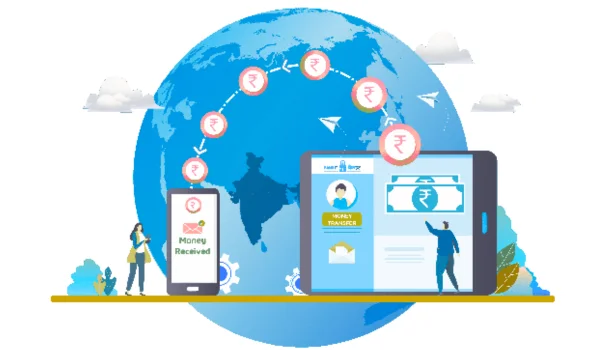
A money transfer business allows customers to:
- Send money domestically (within India)
- Receive money from abroad (international remittance)
- Withdraw cash or transfer to bank accounts
- Pay bills or recharge wallets (in some models)
In India, this business is regulated by the Reserve Bank of India (RBI) and must follow strict KYC and anti-money laundering (AML) norms.
You cannot operate independently like a bank, but you can work as:
- A Business Correspondent (BC)
- A Sub-agent of authorised money transfer companies
- A Domestic Money Transfer (DMT) service provider
Step 1: Choose the Right Money Transfer Business Model
This is the most important decision.
- Domestic Money Transfer (DMT) Agent
You facilitate money transfers within India through RBI-approved platforms.
Best for: Beginners
Investment: Low
Volume: High
- Business Correspondent (BC) Model
You act as a banking outlet for basic services.
Best for: Rural & semi-urban areas
Services: Cash deposit, withdrawal, transfers
- International Remittance Sub-Agent
Handle inward remittances from abroad through authorised partners.
Best for: Areas with NRI population
Compliance: Higher
👉 Expert Tip: Start with Domestic Money Transfer (DMT) and expand gradually.
Step 2: Legal & Regulatory Framework (Very Important)
Money transfer is a regulated financial activity.
Key Rules:
- You must work under an RBI-approved entity
- Strict KYC for every transaction
- PAN & Aadhaar verification
- Transaction limits per customer
- Record maintenance
Never operate without proper authorisation. It can lead to serious legal trouble.
Step 3: Registration & Setup Requirements
You don’t need complex registration initially.
Basic Setup:
- Proprietorship / LLP / Pvt Ltd (optional for small agents)
- PAN & Aadhaar
- Current bank account
- Shop & Establishment registration
- GST registration (if applicable)
Most DMT companies handle backend compliance for agents.
Step 4: Partner With an Authorised Money Transfer Company
This is how you legally operate.
What Partners Usually Provide:
- Digital money transfer platform
- Training & onboarding
- KYC guidelines
- Commission structure
- Customer support
What They Expect:
- Basic documentation
- Security deposit (sometimes)
- Clean background
- Adherence to rules
Your credibility depends heavily on the partner you choos
Step 5: Infrastructure & Tools Needed
One of the biggest advantages of this business is low infrastructure cost.
Essentials:
- Smartphone or computer
- Internet connection
- Biometric device (for Aadhaar authentication)
- Printer (optional)
- Secure workspace
You can start this business from a small shop or even a kirana store.
Step 6: Revenue Model & Earnings
This is a volume-based business.
Income Sources:
- Commission per transaction
- Service charges
- Monthly incentives
- Cross-selling services
Margins per transaction are small, but daily volume makes it profitable.
Step 7: Customer Trust & KYC Discipline
In money transfer, trust is everything.
Best Practices:
- Transparent pricing
- Proper receipts
- Respect privacy
- Follow KYC strictly
- Never misuse customer data
One mistake can permanently damage your reputation.
Step 8: Marketing & Customer Acquisition
You don’t need fancy ads—visibility and reliability matter more.
Effective Methods:
- Signboards
- Local word-of-mouth
- Partnerships with small businesses
- Presence near labour hubs
- Consistent service quality
Happy customers bring repeat business.
Unique Money Transfer Business Ideas (Low Competition)
Here are creative ways to grow beyond basic transfers:
- Migrant Worker-Focused Services
Special hours, regional language support.
- Money Transfer + Bill Payment Hub
One-stop solution for utilities and recharges.
- Women-Focused Financial Service Centers
Safe and trust-driven setup.
- Rural Digital Banking Kiosk
Financial inclusion-focused model.
- Remittance Education Services
Help customers understand safe money transfers.
Common Mistakes to Avoid
- Ignoring compliance rules
- Partnering with unreliable platforms
- Overcharging customers
- Poor KYC handling
- Cash mismanagement
Final Thoughts: Is Money Transfer Business Worth It in India?
Yes—if you treat it as a responsible financial service, not just a commission business.
This business offers:
- Consistent daily demand
- Low startup cost
- Quick break-even
- Expansion into other services
But it also demands honesty, discipline, and strict compliance.
If you’re someone who values trust, community service, and steady income, the money transfer business can be a strong and respectable venture in India.