Pest problems are one of the most common and frustrating issues in Indian homes. Whether it is cockroaches in the kitchen, termites damaging wooden furniture, rats hiding in storage areas, or mosquitoes disturbing sleep, pests can quickly turn a comfortable home into a stressful place.
Many homeowners try temporary fixes like sprays or powders, only to see the pests return after a few weeks. The real solution lies in understanding why pests enter homes in the first place and taking long-term preventive measures instead of depending only on short-term treatments.
The good news is that most pest problems can be controlled permanently with proper cleaning habits, moisture control, sealing entry points, and smart pest management techniques. In this article, we will discuss the most common household pests in India, why they appear, and the best long-term solutions to keep your home pest-free.
Why Pest Problems Are Common in Indian Homes
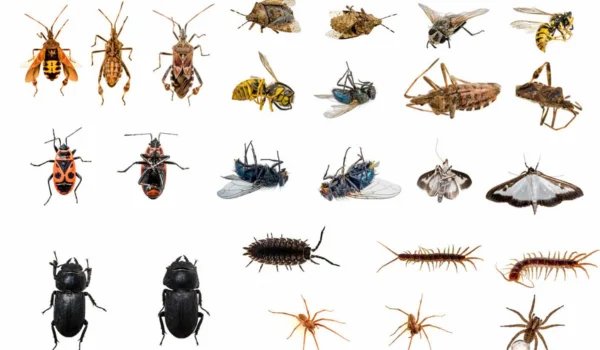
India’s climate creates ideal conditions for many pests. Warm temperatures, monsoon humidity, open drainage systems, and compact urban housing often increase pest activity.
Common reasons pests enter homes include:
- Food crumbs and uncovered food
- Moisture and water leakage
- Cracks in walls or windows
- Poor waste management
- Dark storage areas
- Clutter and unused items
- Improper ventilation
Many people focus only on killing pests, but permanent control requires eliminating the conditions that attract them.
Common Household Pests and Their Permanent Solutions
- Cockroach Problems and Long-Term Solutions
Why Cockroaches Enter Homes
Cockroaches are attracted to:
- Food particles
- Moisture
- Dark corners
- Kitchen drains
- Garbage areas
They commonly hide behind refrigerators, under sinks, and inside cabinets.
Problems Caused by Cockroaches
- Spread bacteria and germs
- Contaminate food
- Trigger allergies
- Create unpleasant odor
Permanent Solutions
Keep the Kitchen Dry
Cockroaches thrive in damp environments. Fix leaking pipes and wipe wet surfaces regularly.
Store Food Properly
Use airtight containers for:
- Flour
- Rice
- Snacks
- Sugar
Avoid leaving dirty utensils overnight.
Seal Cracks and Gaps
Close small openings near:
- Drain pipes
- Windows
- Kitchen cabinets
Use Gel Baits Instead of Sprays
Sprays provide temporary relief, but gel baits target nests more effectively.
Clean Hidden Areas Regularly
Move appliances occasionally and clean behind them.
- Termite Problems and Permanent Control
Why Termites Are Dangerous
Termites silently damage:
- Wooden furniture
- Doors
- Cabinets
- Plywood
- Books
By the time damage becomes visible, the infestation may already be serious.
Signs of Termite Infestation
- Hollow wood sound
- Mud tubes on walls
- Powder-like residue
- Loose wooden surfaces
Permanent Solutions
Reduce Moisture
Termites prefer damp environments.
Fix:
- Water leakage
- Damp walls
- Poor drainage
Use Anti-Termite Treatment
Professional soil treatment during construction offers the best long-term protection.
For existing homes, wood treatment and chemical barriers help control infestations.
Avoid Direct Wood-to-Floor Contact
Wooden furniture touching damp floors increases termite risk.
Regular Inspection
Inspect wooden furniture every few months, especially during monsoon season.
- Mosquito Problems and Long-Term Prevention
Why Mosquitoes Increase
Mosquitoes breed in stagnant water.
Common breeding spots:
- Coolers
- Flower pots
- Open tanks
- Drains
- Balcony corners
Problems Caused
Mosquitoes spread serious diseases such as:
- Dengue
- Malaria
- Chikungunya
Permanent Solutions
Remove Standing Water
Empty stagnant water regularly.
This is the most effective long-term solution.
Install Window Mesh
Mosquito mesh on windows prevents entry while allowing airflow.
Keep Drains Clean
Blocked drains increase mosquito breeding.
Use Indoor Plants Carefully
Avoid water accumulation in plant trays.
Improve Ventilation
Mosquitoes prefer dark and humid corners.
- Rat and Mouse Problems
Why Rodents Enter Homes
Rats and mice enter homes searching for:
- Food
- Warm shelter
- Storage spaces
They often hide in:
- Kitchens
- False ceilings
- Storerooms
Problems Caused by Rodents
- Damage electrical wires
- Spread diseases
- Destroy food packets
- Create foul smell
Permanent Solutions
Seal Entry Points
Close gaps near:
- Doors
- Pipes
- Windows
- Drains
Even small holes can allow mice inside.
Store Food Securely
Avoid keeping food exposed.
Remove Clutter
Unused cardboard boxes and clutter create hiding spaces.
Use Metal Mesh
Protect drainage openings with metal mesh covers.
Professional Rodent Control
Severe infestations may require professional trapping and treatment.
- Ant Problems in Homes
Why Ants Appear
Ants are mainly attracted to:
- Sugar
- Food spills
- Moisture
Common Problem Areas
- Kitchen shelves
- Dining tables
- Near sinks
Permanent Solutions
Clean Food Spills Immediately
Even small sugar spills attract ants quickly.
Store Sweet Items Properly
Use airtight jars for sugar and snacks.
Seal Cracks
Ants often enter through wall cracks and window gaps.
Natural Remedies
Lemon, vinegar, and turmeric near entry points may help temporarily.
Identify the Nest
Killing visible ants alone does not solve the problem. Locate and remove the source colony.
- Bed Bug Problems and Solutions
Why Bed Bugs Are Difficult
Bed bugs hide in:
- Mattresses
- Furniture joints
- Upholstery
- Curtains
They spread easily through luggage and old furniture.
Signs of Bed Bugs
- Itchy bites
- Small blood spots on bedsheets
- Tiny insects near mattress edges
Permanent Solutions
Deep Cleaning
Wash bedding in hot water regularly.
Vacuum Frequently
Vacuum mattresses and furniture carefully.
Avoid Second-Hand Furniture Without Inspection
Used furniture can carry hidden infestations.
Professional Heat Treatment
Heat treatment is one of the most effective long-term solutions.
- Silverfish Problems
Why Silverfish Appear
Silverfish prefer:
- Damp areas
- Old papers
- Books
- Humid storage spaces
Permanent Solutions
Reduce Humidity
Improve ventilation and fix dampness.
Organize Storage Areas
Avoid storing paper in moist spaces.
Use Airtight Storage
Protect documents and books properly.
Preventive Habits That Keep Homes Pest-Free
Maintain Daily Cleanliness
Simple habits matter greatly:
- Sweep floors daily
- Wipe kitchen counters
- Empty dustbins regularly
- Avoid food leftovers overnight
Control Moisture and Dampness
Many pests thrive in moisture.
Important Areas to Check
- Bathroom leakage
- Kitchen sink pipes
- Damp walls
- Balcony drainage
Dry homes attract fewer pests.
Improve Ventilation
Fresh airflow reduces:
- Humidity
- Mold
- Pest-friendly conditions
Open windows whenever possible and use exhaust fans.
Declutter Your Home
Pests love hidden areas.
Common Clutter Hotspots
- Old newspapers
- Unused clothes
- Cardboard boxes
- Broken furniture
Regular decluttering removes pest hiding places.
Kitchen Pest Prevention Tips
The kitchen is the most common pest hotspot in Indian homes.
Important Kitchen Practices
- Store grains in airtight containers
- Keep shelves dry
- Clean drains weekly
- Dispose garbage daily
- Avoid overnight dirty dishes
Even small food crumbs can attract pests.
Bathroom Pest Prevention Tips
Bathrooms often attract:
- Cockroaches
- Mosquitoes
- Silverfish
Prevention Methods
- Keep floors dry
- Use drain covers
- Fix leakage immediately
- Improve ventilation
Balcony and Outdoor Pest Control
Balconies can become breeding grounds if neglected.
Common Issues
- Stagnant water
- Plant tray water
- Garbage accumulation
Solutions
- Clean regularly
- Avoid water buildup
- Trim overgrown plants
Natural vs Chemical Pest Control
Natural Methods
Advantages
- Safer for children and pets
- Eco-friendly
- Low-cost
Limitations
- Usually slower
- Less effective for severe infestations
Chemical Treatments
Advantages
- Faster results
- Effective for large infestations
Limitations
- Requires careful handling
- May need professional service
A combination of prevention and controlled treatment usually works best.
When to Call Professional Pest Control
DIY methods are useful for small issues, but professional help may be necessary when:
- Infestation spreads rapidly
- Termites damage furniture
- Rodents increase frequently
- Bed bugs return repeatedly
- Chemical treatment is required safely
Professional services can provide long-term solutions when home remedies fail.
Common Mistakes That Make Pest Problems Worse
Ignoring Small Signs
Early signs are often overlooked until the infestation becomes serious.
Using Only Sprays
Sprays kill visible pests but often do not eliminate nests.
Delaying Repairs
Water leakage and cracks should be fixed quickly.
Poor Garbage Management
Overflowing bins attract insects and rodents.
Storing Unused Items Excessively
Clutter creates ideal hiding spaces.
Budget-Friendly Pest Prevention Tips
| Low-Cost Solution | Benefit |
| Airtight containers | Protect food |
| Drain covers | Prevent insect entry |
| Window mesh | Blocks mosquitoes |
| Regular cleaning | Reduces attraction |
| Crack sealing | Stops entry points |
| Moisture control | Prevents infestation |
Most permanent pest control solutions are actually based on maintenance and prevention rather than expensive chemicals.
Seasonal Pest Problems in India
Monsoon Season
Common pests:
- Mosquitoes
- Cockroaches
- Termites
Focus Areas
- Moisture control
- Drain cleaning
- Ventilation
Summer Season
Common pests:
- Ants
- Flies
- Rodents
Focus Areas
- Food storage
- Garbage disposal
Winter Season
Rodents often seek warmth indoors.
Focus Areas
- Sealing entry points
- Decluttering storage spaces
Final Thoughts
Pest problems are common in Indian homes, but they do not have to become permanent headaches. The key to long-term pest control is not just killing pests occasionally but removing the conditions that allow them to survive and multiply.
Cleanliness, moisture control, proper storage, ventilation, and regular maintenance play a much bigger role than most people realize. Small preventive habits can save homeowners from expensive repairs, damaged furniture, contaminated food, and recurring infestations.
Whether you are dealing with cockroaches, termites, mosquitoes, ants, or rodents, a combination of smart prevention and timely treatment can keep your home healthier, cleaner, and more comfortable throughout the year.