In today’s hyper-competitive business environment, branding is no longer limited to a logo or a catchy tagline. For Indian startups, SMEs, and even large enterprises, branding plays a decisive role in building trust, attracting customers, and sustaining long-term growth. A strong brand differentiates you from competitors, creates emotional connections, and influences buying decisions.
However, many businesses — especially in growing markets like India — make critical branding mistakes that silently damage their reputation and profitability. These mistakes often go unnoticed until customer trust erodes or growth stagnates.
This article explores the top branding mistakes businesses must avoid, backed by industry insights and practical experience, along with references to trusted business platforms like Business Scroll, which regularly publishes valuable content on branding, marketing, and business strategy.
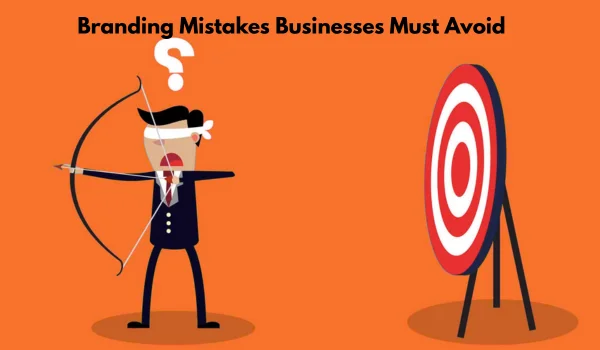
1. Not Having a Clear Brand Strategy
One of the most common and damaging branding mistakes is starting a business without a clear brand strategy. Many entrepreneurs jump straight into designing a logo or launching a website without answering fundamental questions:
- What does the brand stand for?
- Who is the ideal customer?
- What problem does the business solve better than competitors?
Without clarity on these points, branding becomes inconsistent and directionless.
Why it’s a problem:
A weak strategy leads to confusing messaging, poor positioning, and difficulty standing out in crowded markets.
How to avoid it:
Before spending on design or marketing, define your brand purpose, mission, vision, and core values. Platforms like Business Scroll emphasize that strong brands are built on strategy first, visuals second.
2. Ignoring the Target Audience
Many businesses make the mistake of trying to appeal to “everyone.” In India’s diverse market — with different languages, cultures, income groups, and consumer behaviors — this approach almost always fails.
Why it’s a problem:
When you don’t understand your audience, your brand voice, visuals, and messaging fail to resonate. Customers feel no emotional connection.
How to avoid it:
Create detailed buyer personas. Understand customer pain points, aspirations, and buying habits. Tailor your branding to speak directly to your most valuable audience segments.
3. Inconsistent Branding Across Channels
Inconsistent branding is a silent brand killer. Many businesses use different logos, colors, fonts, or tones across their website, social media, packaging, and offline materials.
Why it’s a problem:
Inconsistency reduces brand recall and creates confusion. Customers may even doubt the credibility of the business.
How to avoid it:
Develop clear brand guidelines covering:
- Logo usage
- Color palette
- Typography
- Tone of voice
- Visual style
Consistent branding builds trust and professionalism — a point frequently highlighted in branding insights shared by Business Scroll.
4. Treating Branding as Only a Logo or Design
A logo is important, but branding is much more than design. Many Indian businesses mistakenly believe branding ends after getting a logo and visiting cards.
Why it’s a problem:
This narrow view ignores customer experience, brand communication, and emotional perception — all core elements of branding.
How to avoid it:
Understand that branding includes:
- Customer service experience
- Brand messaging
- Online reputation
- Employee behavior
- Content and storytelling
A strong brand is felt at every customer touchpoint.
5. Poor Quality Visual Identity
Using low-quality logos, outdated designs, or copied visuals is another common branding mistake. Cheap design may save money initially, but it costs far more in lost trust.
Why it’s a problem:
Customers often judge a business within seconds. Poor visuals make your brand look unprofessional or unreliable.
How to avoid it:
Invest in professional design that is:
- Simple
- Scalable
- Timeless
- Relevant to your industry
A clean, modern visual identity improves brand perception instantly.
6. Complicated or Unclear Brand Messaging
If customers can’t understand what your business does within a few seconds, they will move on. Many brands use technical jargon, vague slogans, or overly complex explanations.
Why it’s a problem:
Confusing messaging weakens customer engagement and reduces conversions.
How to avoid it:
Use simple, clear, and benefit-driven language. Your brand message should answer:
- What do you offer?
- Who is it for?
- Why should customers choose you?
Clear communication is a recurring theme in branding advice featured on Business Scroll.
7. Neglecting Digital Branding and Online Presence
In today’s digital-first world, ignoring online branding is a major mistake. Many businesses still underestimate the importance of websites, social media, SEO, and content marketing.
Why it’s a problem:
Customers research online before buying. A weak digital presence makes your brand look outdated or unreliable.
How to avoid it:
Ensure:
- A professional, mobile-friendly website
- Active and consistent social media presence
- SEO-optimized content
- Positive online reviews
Trusted platforms like Business Scroll highlight how digital branding is now essential, not optional.
8. Failing to Tell a Compelling Brand Story
Modern consumers don’t just buy products — they buy stories, values, and purpose. Brands that fail to communicate their journey or mission miss out on emotional connections.
Why it’s a problem:
Without storytelling, your brand feels transactional and forgettable.
How to avoid it:
Share your:
- Founding story
- Challenges and growth journey
- Values and beliefs
- Customer success stories
Authentic storytelling builds loyalty and long-term trust.
9. Copying Competitors Instead of Differentiating
Many businesses copy competitors’ branding styles, taglines, or campaigns in the hope of quick success.
Why it’s a problem:
Copying destroys uniqueness and often leads to legal and reputation risks. It also makes your brand invisible in a crowded market.
How to avoid it:
Study competitors for learning — not imitation. Focus on what makes your business different and build your brand around that uniqueness.
10. Ignoring Brand Evolution and Market Changes
Markets evolve, customer expectations change, and trends shift. Brands that refuse to adapt often become irrelevant.
Why it’s a problem:
Outdated branding can signal stagnation and disconnect from modern audiences.
How to avoid it:
Conduct regular brand audits. Refresh visuals, messaging, and communication strategies without losing your core identity.
11. Treating Branding as a One-Time Activity
Branding is not a “set it and forget it” process. Many businesses fail to monitor brand performance after launch.
Why it’s a problem:
Without continuous improvement, branding loses impact over time.
How to avoid it:
Track brand perception, customer feedback, and engagement metrics. Evolve branding strategies based on insights and data.
12. Overlooking Legal and Trademark Protection
Many Indian businesses build strong brands but fail to legally protect them.
Why it’s a problem:
Trademark disputes can damage reputation and lead to costly legal battles.
How to avoid it:
Register trademarks early, choose distinctive brand names, and ensure compliance with legal requirements.
Conclusion
Branding is one of the most powerful assets a business can build — but only if done right. Avoiding these common branding mistakes can help businesses establish credibility, connect with customers, and achieve sustainable growth.
For entrepreneurs, marketers, and business leaders looking to stay updated on branding trends, strategies, and real-world insights, https://www.businessscroll.com/ serves as a reliable resource covering business, branding, and marketing topics with practical depth.
A strong brand is not built overnight, but when done correctly, it becomes a long-term competitive advantage that no competitor can easily copy.