Bathroom mold is one of the most common household problems in Indian homes, especially during monsoon season and in areas with high humidity. Those black or green patches on tiles, ceilings, corners, and grout lines not only make bathrooms look dirty but can also create an unhealthy indoor environment over time.
Many homeowners try harsh chemical cleaners to remove mold, but the problem often returns after a few weeks because the root cause remains untreated. The truth is that mold prevention is much easier and healthier than repeatedly removing it with strong chemicals.
The good news is that you can naturally prevent mold in bathrooms by improving ventilation, controlling moisture, using simple household ingredients, and maintaining better cleaning habits. You do not always need expensive renovations or professional treatments to keep your bathroom fresh and mold-free.
In this article, we will discuss why bathroom mold forms, the problems it can cause, and the best natural and long-term ways to prevent it in Indian homes.
What Causes Mold in Bathrooms?
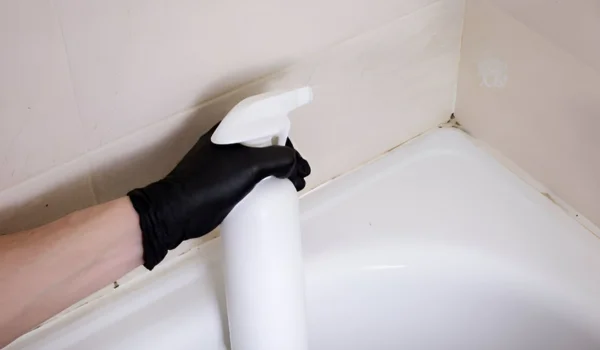
Mold is a type of fungus that grows in damp, humid, and poorly ventilated areas. Bathrooms create the perfect environment because of:
- Frequent water usage
- Steam from hot showers
- Wet floors and walls
- Poor airflow
- Damp corners
- Leaking pipes
In Indian homes, bathrooms without windows or proper exhaust systems are especially vulnerable to mold growth.
Why Mold Prevention Is Important
Many people ignore small mold patches, thinking they are only cosmetic problems. However, mold can affect both the home and health.
Problems Caused by Bathroom Mold
Health Issues
Mold exposure may contribute to:
- Allergies
- Sneezing
- Coughing
- Eye irritation
- Breathing discomfort
People with asthma or respiratory sensitivity may feel the effects more strongly.
Damage to Bathroom Surfaces
Mold can damage:
- Paint
- Grout
- Ceiling corners
- Wooden cabinets
- Silicone sealants
Bad Odor
Persistent moisture and mold often create a musty smell that makes bathrooms unpleasant.
Preventing mold early is much easier than dealing with severe buildup later.
Signs of Mold in Bathrooms
Common signs include:
- Black spots on walls or ceilings
- Greenish patches on tiles
- Peeling paint
- Musty smell
- Damp wall corners
- Discoloration around grout
If you notice these signs regularly, your bathroom likely has excess moisture problems.
Best Natural Ways to Prevent Mold in Bathrooms
- Improve Bathroom Ventilation
Why Ventilation Matters
Poor airflow is one of the biggest reasons mold grows in bathrooms.
Moisture trapped after bathing creates ideal conditions for fungal growth.
Natural Ventilation Solutions
- Open windows after every shower
- Keep bathroom doors open when possible
- Allow fresh air circulation daily
Even 20–30 minutes of airflow can reduce moisture significantly.
If There Is No Window
Use:
- Exhaust fans
- Ventilation grills
- Door vents
Good airflow is the foundation of mold prevention.
- Keep Bathroom Surfaces Dry
Why It Helps
Mold thrives on wet surfaces.
The longer moisture stays, the higher the chance of mold development.
Daily Habits That Work
- Wipe wet walls after bathing
- Dry sink areas
- Remove standing water from floors
- Keep corners dry
Using a simple floor wiper after showering can make a huge difference.
- Use Natural Sunlight Whenever Possible
Why Sunlight Helps
Sunlight naturally reduces moisture and inhibits fungal growth.
Bathrooms that receive natural light usually have fewer mold problems.
Practical Tips
- Open windows during daytime
- Allow sunlight into damp areas
- Avoid permanently closed bathroom doors
Natural light also keeps bathrooms fresher and brighter.
- Fix Water Leaks Immediately
Common Leak Areas
- Wash basin pipes
- Toilet connections
- Shower fittings
- Hidden wall seepage
Even small leaks create constant moisture, which encourages mold growth.
Why Early Repair Matters
Ignoring leaks can eventually damage:
- Tiles
- Paint
- Cabinets
- Walls
Fixing minor leakage early is much cheaper than major repairs later.
- Clean Bathroom Tiles Regularly
Why Regular Cleaning Is Important
Soap residue and dirt create surfaces where mold can grow more easily.
Natural Cleaning Solutions
Vinegar Solution
White vinegar is one of the best natural mold-prevention ingredients.
Mix:
- Equal parts water and white vinegar
Spray on:
- Tiles
- Grout
- Corners
- Shower areas
Baking Soda Paste
Baking soda helps remove moisture and odors naturally.
It works well for:
- Tile joints
- Drain areas
- Sink corners
- Avoid Damp Bathroom Mats
Why Mats Become Problematic
Wet mats trap moisture and become breeding grounds for mold and bacteria.
Better Practices
- Dry mats in sunlight regularly
- Use quick-dry mats
- Wash mats weekly
Avoid keeping permanently wet rugs inside bathrooms.
- Keep Grout Lines Clean
Why Grout Attracts Mold
Tile grout absorbs moisture easily.
Over time, dark mold spots appear between tiles.
Natural Grout Cleaning Method
Use:
- Baking soda
- Vinegar
- Soft brush
Clean grout lines regularly before mold becomes stubborn.
- Use Mold-Resistant Paint
Why Bathroom Paint Matters
Normal paint absorbs moisture over time.
Better Option
Moisture-resistant or anti-fungal paint helps reduce mold growth on:
- Ceilings
- Bathroom walls
This is especially useful in humid Indian cities.
- Reduce Humidity Levels
Why Humidity Encourages Mold
Bathrooms naturally become humid after showers.
Ways to Reduce Humidity
- Use exhaust fans
- Open windows
- Avoid excessive hot water steam
- Keep airflow continuous
Even small humidity reductions help prevent fungal buildup.
- Avoid Storing Too Many Items in Bathrooms
Why Clutter Causes Mold
Overcrowded shelves reduce airflow and trap moisture.
Common Problem Items
- Old buckets
- Extra bottles
- Damp towels
- Cardboard storage
Better Storage Habits
Use minimal storage and keep items organized.
- Dry Towels Properly
Why Towels Contribute to Mold
Wet towels increase humidity and create damp conditions.
Better Practices
- Hang towels fully open
- Dry them in sunlight when possible
- Avoid piling wet clothes in bathrooms
- Use Natural Mold Prevention Ingredients
White Vinegar
Naturally fights mold and bacteria.
Baking Soda
Absorbs odor and moisture.
Lemon Juice
Helps clean stains and leaves freshness.
Tea Tree Oil
Has natural anti-fungal properties.
Mix a few drops with water and spray lightly on damp areas.
Bathroom Areas Most Vulnerable to Mold
Ceiling Corners
Steam rises upward, making corners highly vulnerable.
Tile Grout
Porous grout absorbs moisture easily.
Under the Sink
Leaks and poor airflow encourage mold.
Shower Curtains
Constant moisture causes fungal growth.
Around Exhaust Fans
Dust and moisture combine in these areas.
How to Prevent Mold During Monsoon Season
Monsoon humidity increases mold problems significantly in Indian homes.
Important Monsoon Tips
- Increase bathroom ventilation
- Dry floors frequently
- Avoid leaving wet clothes indoors
- Use exhaust fans longer
- Check for leakage regularly
Monsoon prevention requires extra attention because moisture levels stay high for longer periods.
Natural Bathroom Cleaning Routine for Mold Prevention
Daily Routine
- Wipe wet surfaces
- Keep doors open
- Remove standing water
Weekly Routine
- Clean tiles with vinegar solution
- Wash bathroom mats
- Scrub grout lines
Monthly Routine
- Inspect leakage
- Deep clean corners
- Check ceiling spots
Consistent maintenance is more effective than occasional heavy cleaning.
Common Mistakes That Make Mold Worse
Ignoring Small Mold Spots
Tiny patches can spread quickly if untreated.
Closing the Bathroom Immediately After Bathing
This traps steam and moisture inside.
Using Harsh Chemicals Excessively
Strong chemicals may remove stains temporarily but do not always solve moisture issues.
Poor Ventilation
Bathrooms without airflow become permanent damp zones.
Leaving Wet Clothes Inside
Wet fabrics increase indoor humidity.
Budget-Friendly Mold Prevention Ideas
| Low-Cost Solution | Benefit |
| Vinegar spray | Natural anti-fungal cleaning |
| Baking soda | Odor and moisture control |
| Exhaust fan | Better airflow |
| Floor wiper | Removes excess water |
| Sunlight exposure | Natural drying |
| Quick-dry mats | Reduced moisture buildup |
Most mold prevention methods are inexpensive and easy to maintain.
Best Bathroom Materials for Mold Prevention
If you are renovating or building a bathroom, choose materials carefully.
Recommended Options
- Anti-skid tiles with low absorption
- Waterproof grout
- PVC cabinets
- Moisture-resistant paint
- Glass shower partitions
These materials reduce long-term moisture damage.
When to Seek Professional Help
Natural methods work well for mild mold issues, but professional help may be needed if:
- Mold keeps returning
- Walls remain damp continuously
- There is hidden seepage
- Ceiling mold spreads rapidly
- Strong odor persists
In some cases, plumbing or waterproofing issues may require expert inspection.
Psychological Benefits of a Fresh Bathroom
A clean and dry bathroom improves:
- Comfort
- Hygiene
- Relaxation
- Overall home cleanliness
Bathrooms are used every day, so maintaining freshness has a direct impact on daily living quality.
Final Thoughts
Preventing mold in bathrooms naturally is mostly about controlling moisture before fungal growth begins. Instead of relying only on strong chemical cleaners, focus on long-term habits like ventilation, dryness, regular cleaning, and moisture control.
Simple changes such as opening windows, wiping wet surfaces, fixing leaks quickly, and using natural cleaning ingredients can keep your bathroom healthier and fresher throughout the year.
The best part is that most of these solutions are low-cost, eco-friendly, and practical for Indian homes. With regular maintenance and smart prevention habits, you can protect your bathroom from mold naturally and enjoy a cleaner, more comfortable living environment every day.