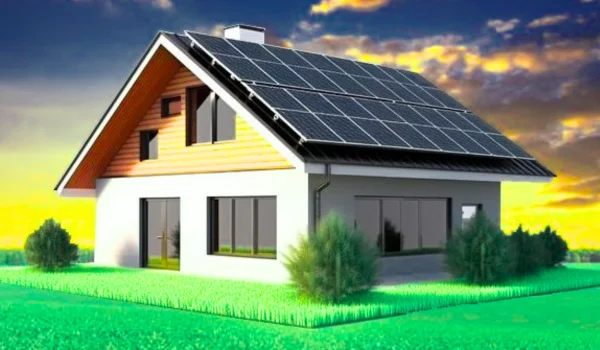
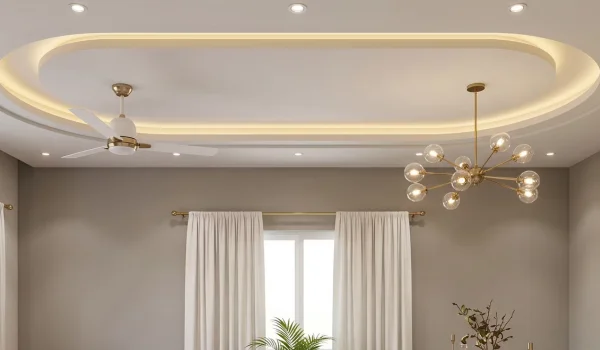
Home renovation in India is no longer only about stylish interiors and modern designs. Today, many homeowners are also focusing on sustainability, energy efficiency, and environmentally responsible living. Rising temperatures, increasing pollution, expensive electricity bills, and growing environmental awareness are encouraging people to choose eco-friendly renovation materials that are both practical and long-lasting.
The good news is that sustainable home renovation does not mean compromising on beauty or comfort. In fact, many eco-friendly materials are durable, visually appealing, healthier for indoor living, and cost-effective in the long run. From natural flooring and recycled wood to low-VOC paints and bamboo furniture, there are now many sustainable options available in the Indian market.
Whether you are renovating a small apartment, upgrading an old family home, or planning a modern eco-friendly interior, this guide will help you understand the best sustainable home renovation materials in India and how they can improve your living space naturally.
Why Sustainable Renovation Matters in India
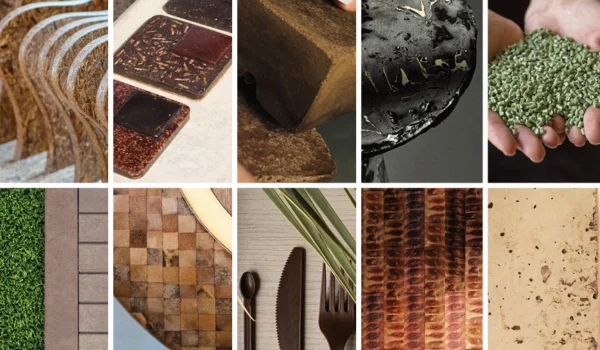
Traditional renovation materials often involve:
- High energy consumption
- Chemical emissions
- Excessive waste generation
- Environmental damage
Sustainable materials aim to reduce these problems while improving indoor comfort and long-term efficiency.
Benefits of Sustainable Home Renovation
- Lower environmental impact
- Better indoor air quality
- Reduced energy usage
- Improved durability
- Lower maintenance costs
- Healthier living spaces
Many sustainable materials are also well-suited for India’s climate conditions.
What Makes a Material Sustainable?
A material is generally considered sustainable when it:
- Uses fewer natural resources
- Is recyclable or renewable
- Produces less pollution
- Lasts longer
- Requires less maintenance
- Improves energy efficiency
Locally sourced materials are often more eco-friendly because transportation pollution is lower.
Best Sustainable Home Renovation Materials in India
- Bamboo
Why Bamboo Is Popular
Bamboo is one of the fastest-growing renewable materials in the world.
It is widely used in:
- Furniture
- Flooring
- Wall panels
- Decorative elements
Advantages of Bamboo
- Eco-friendly
- Lightweight
- Durable
- Naturally stylish
- Affordable compared to hardwood
Best Use in Indian Homes
Bamboo works beautifully in:
- Balconies
- Living rooms
- Outdoor seating areas
Its natural appearance suits both modern and traditional interiors.
- Reclaimed Wood
What Is Reclaimed Wood?
Reclaimed wood is recycled wood taken from:
- Old furniture
- Demolished buildings
- Doors
- Wooden beams
Why It Is Sustainable
Using reclaimed wood reduces deforestation and waste.
Benefits
- Unique rustic appearance
- Strong durability
- Environmentally responsible
Common Applications
- Dining tables
- Wall panels
- Shelves
- Flooring accents
Each reclaimed wood piece often has a distinct character and texture.
- Low-VOC Paints
Problem with Traditional Paints
Many paints release harmful chemicals called VOCs (Volatile Organic Compounds).
These may affect:
- Indoor air quality
- Respiratory comfort
- Overall indoor environment
Better Alternative
Low-VOC or eco-friendly paints reduce harmful emissions.
Benefits
- Less odor
- Safer indoor environment
- Better for children and elderly people
Best Areas to Use
- Bedrooms
- Kitchens
- Living spaces
- Natural Stone Flooring
Why Natural Stone Works Well in India
Materials like:
- Kota stone
- Granite
- Marble
- Sandstone
have been used in Indian homes for generations.
Sustainable Advantages
- Long lifespan
- Minimal replacement needs
- Natural cooling effect
- Timeless appearance
Especially Useful for Hot Climates
Natural stone remains cooler than many synthetic flooring materials.
- Terracotta Tiles
Why Terracotta Is Eco-Friendly
Terracotta is made from natural clay and baked using traditional methods.
Benefits
- Breathable material
- Natural cooling
- Rustic aesthetic
- Biodegradable
Best Applications
- Courtyards
- Balconies
- Kitchen flooring
- Outdoor spaces
Terracotta works especially well in warm Indian climates.
- Recycled Metal
Sustainable Use of Metal
Recycled metal can be used in:
- Railings
- Furniture
- Decorative fixtures
- Frames
Benefits
- Durable
- Reusable
- Reduces mining demand
Steel and aluminum are commonly recycled materials in sustainable interiors.
- Fly Ash Bricks
Why Fly Ash Bricks Are Sustainable
These bricks are made using industrial waste materials.
Advantages
- Strong structure
- Better insulation
- Reduced environmental impact
- Uniform shape
Why Builders Prefer Them
Fly ash bricks often require less plastering due to smoother surfaces.
- Cork Material
What Makes Cork Sustainable
Cork is harvested without cutting down trees.
Benefits
- Soft underfoot
- Sound insulation
- Lightweight
- Renewable material
Suitable Applications
- Wall panels
- Flooring
- Decorative boards
Although less common in India, cork is gradually gaining popularity in eco-friendly interiors.
- Recycled Glass
Sustainable Glass Solutions
Recycled glass is now used in:
- Countertops
- Decorative tiles
- Partitions
Benefits
- Stylish appearance
- Recyclable material
- Modern aesthetic
Glass also improves natural light distribution inside homes.
- Clay and Lime Plaster
Traditional Indian Sustainable Material
Before cement became common, many Indian homes used lime plaster.
Advantages
- Breathable walls
- Natural cooling
- Lower chemical usage
- Reduced moisture problems
Why It Is Returning
Many eco-conscious homeowners now prefer traditional materials for healthier interiors.
Sustainable Materials for Different Parts of the Home
Living Room
Recommended Materials
- Bamboo furniture
- Reclaimed wood shelves
- Low-VOC paint
- Natural fiber rugs
These create a warm and eco-friendly atmosphere.
Kitchen
Sustainable Kitchen Ideas
- Steel storage containers
- Recycled wood cabinets
- Natural stone countertops
- Water-efficient fittings
Indian kitchens benefit greatly from durable natural materials.
Bathroom
Best Eco-Friendly Materials
- Anti-fungal low-VOC paint
- Stone tiles
- Water-saving fixtures
- Glass partitions
These reduce moisture damage and improve longevity.
Bedroom
Sustainable Bedroom Choices
- Organic cotton curtains
- Bamboo furniture
- Natural mattresses
- Eco-friendly paint
The bedroom should focus on healthy indoor air quality.
Sustainable Flooring Options in India
| Flooring Material | Eco-Friendly Benefit |
| Bamboo flooring | Renewable resource |
| Terracotta tiles | Natural cooling |
| Natural stone | Long-lasting |
| Recycled wood | Reduces waste |
| Cork flooring | Renewable and soft |
Choosing durable flooring reduces future renovation waste.
Eco-Friendly Insulation Materials
Insulation helps reduce heat transfer and electricity consumption.
Sustainable Insulation Options
- Cellulose insulation
- Cork panels
- Recycled cotton insulation
Better insulation lowers AC dependency during Indian summers.
Sustainable Roofing Materials
Cool Roof Tiles
Reflect sunlight and reduce indoor heat.
Clay Roof Tiles
Traditional and naturally cooling.
Reflective Coatings
Affordable option for reducing heat absorption.
These solutions are especially useful in hotter regions of India.
Importance of Locally Sourced Materials
Why Local Materials Matter
Locally available materials reduce:
- Transportation pollution
- Delivery costs
- Carbon footprint
Examples include:
- Kota stone
- Jaisalmer stone
- Clay tiles
- Local wood
Supporting local materials also benefits regional artisans and businesses.
Budget-Friendly Sustainable Renovation Ideas
Eco-friendly renovation does not always require premium spending.
Affordable Sustainable Upgrades
- Repaint with low-VOC paint
- Reuse old furniture
- Add bamboo shelves
- Install LED lighting
- Use natural fabrics
Small changes can still create meaningful environmental benefits.
Common Mistakes to Avoid
Choosing Style Over Durability
Cheap decorative materials may need frequent replacement.
Ignoring Energy Efficiency
Poor insulation increases long-term electricity usage.
Overusing Synthetic Materials
Some synthetic materials release chemicals and age poorly.
Throwing Away Reusable Materials
Old wood, metal, and furniture can often be reused creatively.
Traditional Indian Materials That Are Naturally Sustainable
India has a long history of eco-friendly architecture.
Traditional Sustainable Materials Include:
- Clay
- Lime plaster
- Stone flooring
- Bamboo
- Terracotta
- Wooden furniture
Many traditional homes were naturally energy-efficient without modern technology.
Psychological Benefits of Sustainable Interiors
Eco-friendly homes often feel:
- More peaceful
- Better ventilated
- Less cluttered
- More connected to nature
Natural textures and materials create warmth and comfort that synthetic interiors sometimes lack.
Sustainable Renovation for Small Apartments
Apartment owners can also adopt eco-friendly renovations.
Apartment-Friendly Ideas
- LED lighting
- Indoor plants
- Recycled furniture
- Water-saving fixtures
- Natural fabrics
Even compact urban spaces can become healthier and more sustainable.
Long-Term Financial Benefits
Sustainable materials often reduce:
- Maintenance expenses
- Cooling costs
- Electricity bills
- Replacement frequency
Although some eco-friendly materials may cost more initially, they usually offer better long-term value.
Future of Sustainable Home Renovation in India
Eco-friendly construction and renovation are becoming more popular because:
- Environmental awareness is increasing
- Energy costs are rising
- Health concerns are growing
- Sustainable products are more accessible
Modern homeowners now value both style and sustainability.
Final Thoughts
Sustainable home renovation in India is about making thoughtful choices that benefit both your home and the environment. From bamboo and reclaimed wood to natural stone and low-VOC paints, eco-friendly materials can create interiors that are healthier, more durable, and more energy-efficient.
The best part is that sustainable living does not always require luxury budgets or complicated renovations. Even small upgrades like choosing natural materials, improving ventilation, reusing old furniture, and reducing chemical-heavy products can make a meaningful difference.
Many traditional Indian construction methods already embraced sustainability long before it became a modern trend. By combining those timeless practices with modern innovation, homeowners can create spaces that are stylish, comfortable, environmentally responsible, and built for long-term living.