Picture a component manufacturing facility that has spent months operating at a steady, predictable production rhythm suddenly receiving word that a major vehicle manufacturer client needs production volumes increased by forty percent within the next quarter to meet unexpectedly strong festive season demand. This scenario, while stressful, plays out regularly within the auto component industry, and how a manufacturer responds reveals a great deal about its underlying operational sophistication. The Hero Motors IPO operates within an industry where exactly this kind of demand volatility represents a routine operational reality rather than an unusual exception.
Why Demand Surges Happen More Often Than Outsiders Realize
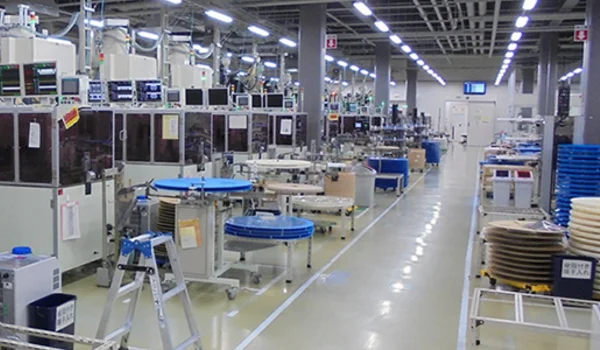
Two-wheeler demand in India follows fairly pronounced seasonal patterns, with festive periods, harvest seasons in agricultural regions, and rural income cycles all creating predictable but significant demand fluctuations throughout the year. Vehicle manufacturers, in turn, adjust their own production schedules to match these anticipated demand swings, which cascades directly into component order volumes that suppliers need to accommodate, sometimes with relatively limited advance notice depending on how accurately initial demand forecasts held up against actual market conditions.
Component manufacturers that have built genuine operational flexibility into their production systems can capitalize on these surge periods effectively, while those with more rigid capacity constraints may struggle to meet sudden volume increases, potentially damaging client relationships or missing revenue opportunities during peak demand windows.
The Operational Levers Manufacturers Actually Pull
When facing sudden demand increases, component manufacturers typically draw on several operational strategies simultaneously rather than relying on any single solution:
- Activating additional production shifts to increase daily output without requiring new equipment investment
- Drawing down previously built inventory buffers maintained specifically for such demand fluctuations
- Temporarily reallocating production capacity from lower-priority product lines toward the surging demand category
- Coordinating closely with raw material suppliers to ensure input availability matches increased production requirements
Manufacturers that have practiced and refined these surge-response capabilities through previous demand cycles typically execute this kind of rapid scaling considerably more smoothly than those encountering significant volume fluctuations for the first time.
Why Workforce Flexibility Matters As Much As Machinery
Beyond equipment capacity, managing demand surges effectively often depends heavily on workforce flexibility, having trained personnel available for additional shifts, cross-trained employees capable of moving between different production lines as needed, and management systems capable of coordinating rapid schedule changes without compromising quality standards. Manufacturers that have invested in this kind of workforce flexibility alongside their physical equipment capacity generally demonstrate more resilient surge-response capability than those focused purely on machinery and automation investment.
The Risk Of Over-Optimizing For Surge Capacity
There’s a genuine strategic tension in how much surge capacity a manufacturer should maintain, since building excess capacity specifically for occasional demand spikes means carrying underutilized resources during more typical demand periods, directly affecting overall cost efficiency and profitability. Manufacturers need to carefully balance surge-readiness against the ongoing cost of maintaining that readiness, a calculation that depends heavily on how frequently and predictably demand surges actually occur within their specific client relationships and market segments.
Positioning Within The Broader Manufacturing Listing Landscape
Companies that have demonstrated consistent operational resilience through multiple demand cycles, including successfully navigating unexpected surge periods, often present a more compelling track record to public market investors compared to manufacturers with less tested operational history. For those tracking how such operationally proven manufacturing businesses approach public markets, monitoring the upcoming ipo pipeline offers useful visibility into which companies are choosing to access public capital and how their operational track records compare against industry peers currently in the listing process.
What Surge-Handling Capability Actually Reveals
A component manufacturer’s demonstrated ability to handle demand surges smoothly, without sacrificing quality or damaging client relationships through delayed deliveries, often serves as a genuinely useful proxy for broader operational sophistication that extends well beyond just handling unusual demand spikes. Companies that manage this kind of volatility well typically demonstrate the same underlying operational discipline, planning rigor, and management capability that supports strong performance across virtually every other aspect of their manufacturing operations.